Post
by Heuer » Mon Sep 16, 2013 3:41 pm
Bob Wilkinson made the following observation on J-L:
"David
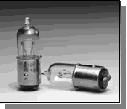
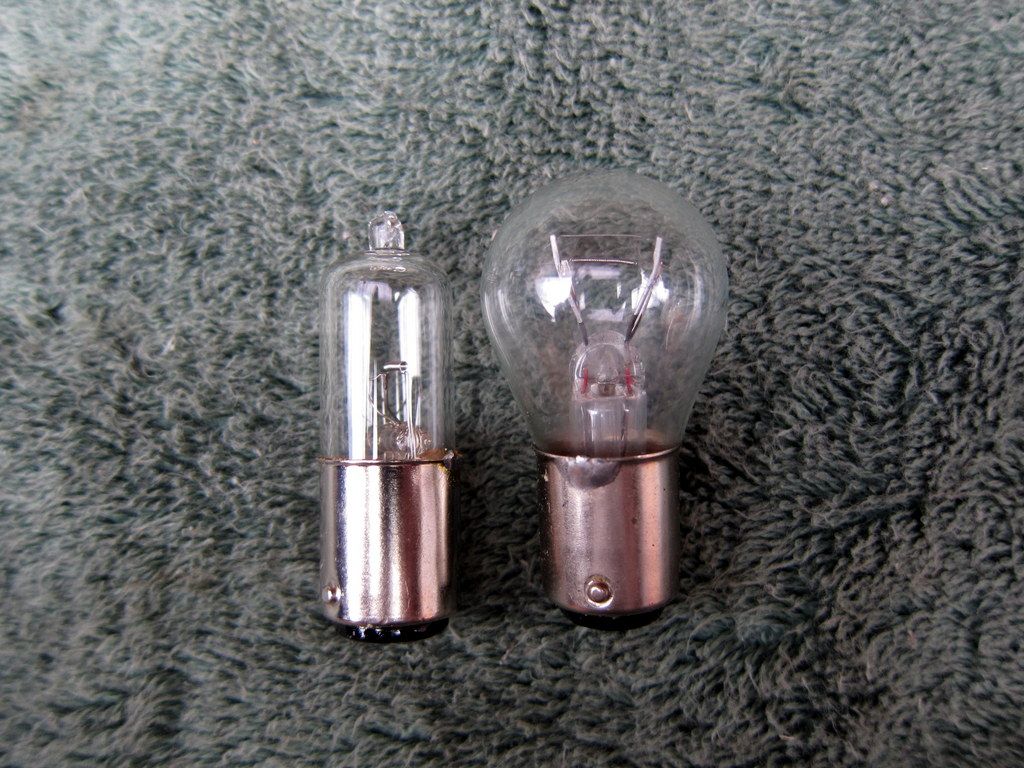
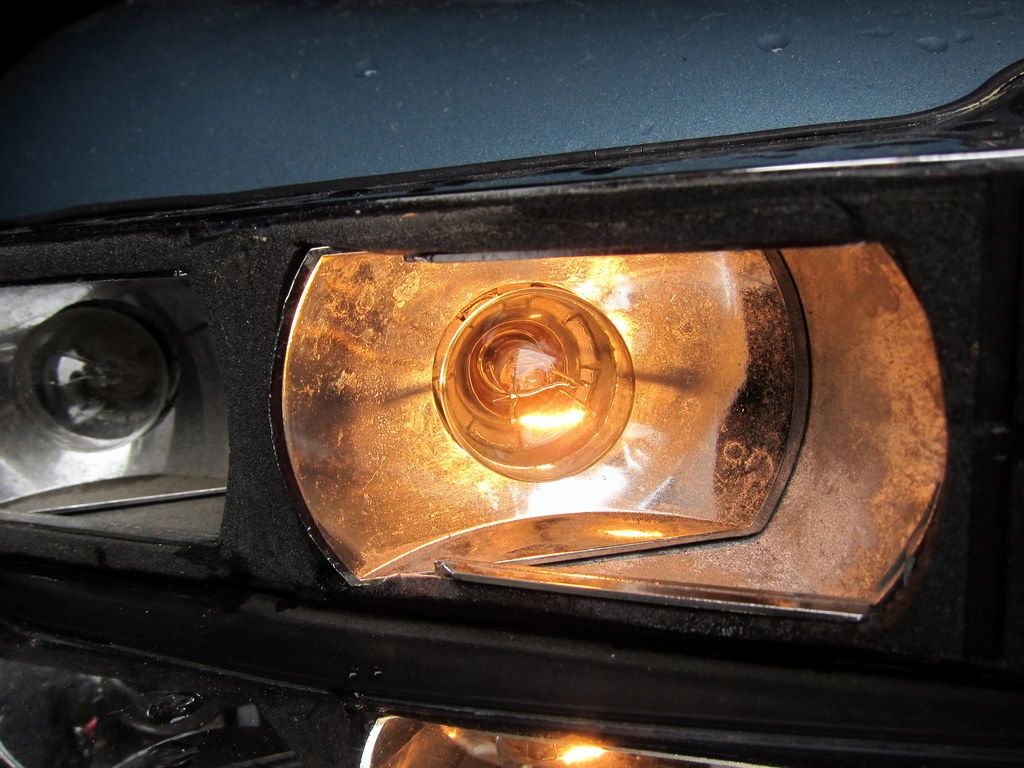
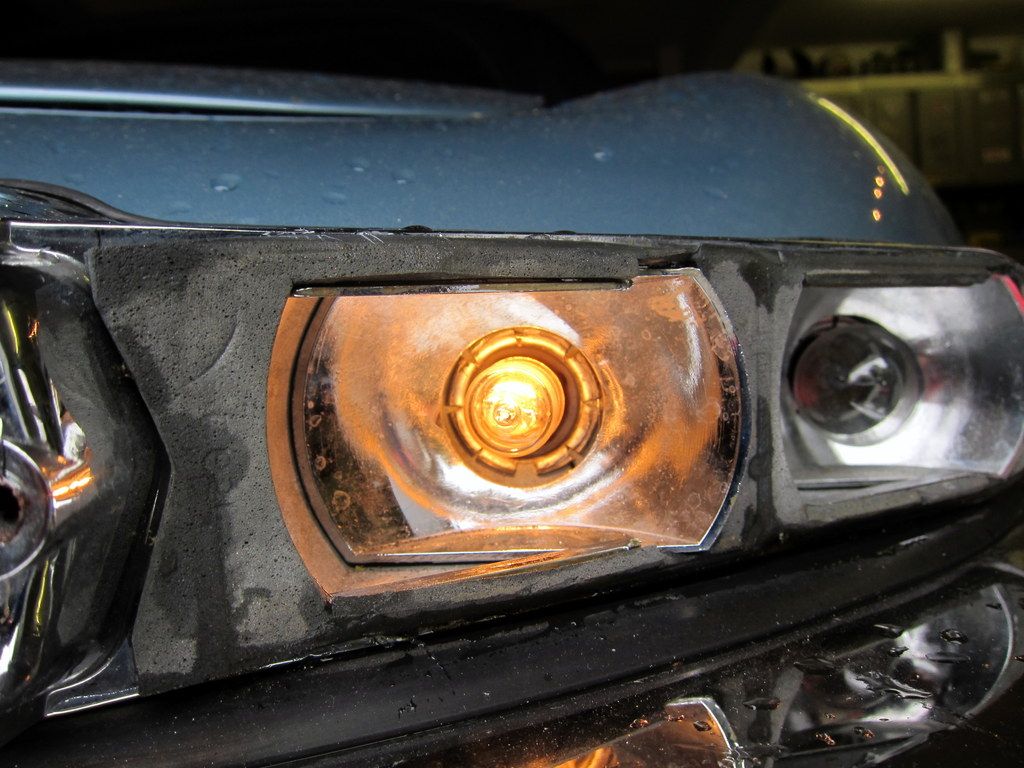
I agree--a strange result, and you may well have the reason in differing filament positions relative to the reflector. But out of curiosity, did you have a look with the lenses removed? Quartz halogen bulbs operate at a higher color temperature, which is why they produce more light and less heat per input watt. In other words, they produce more visible light in total, but in doing so their spectrum is shifted away from the infrared towards the blue. This is perceived as brighter for, say, a headlight. But when deliberately filtering for the red part of the spectrum, there might not be as much red there as with a conventional bulb.
A note about heat: That halogen bulbs generate less heat is true only for the same wattage--folks often increase the wattage when fitting the halogens. Folks also tend to think that halogens produce more heat because they operate at a higher temperature--not the same thing. Also, the fact that the quartz envelope is small (has to be) allows you to get closer to the filament--this also tends to make folks think there's more heat. But if you want to use a bulb as a heater, as in a kid's easy-bake oven, the old fashioned kind works better."
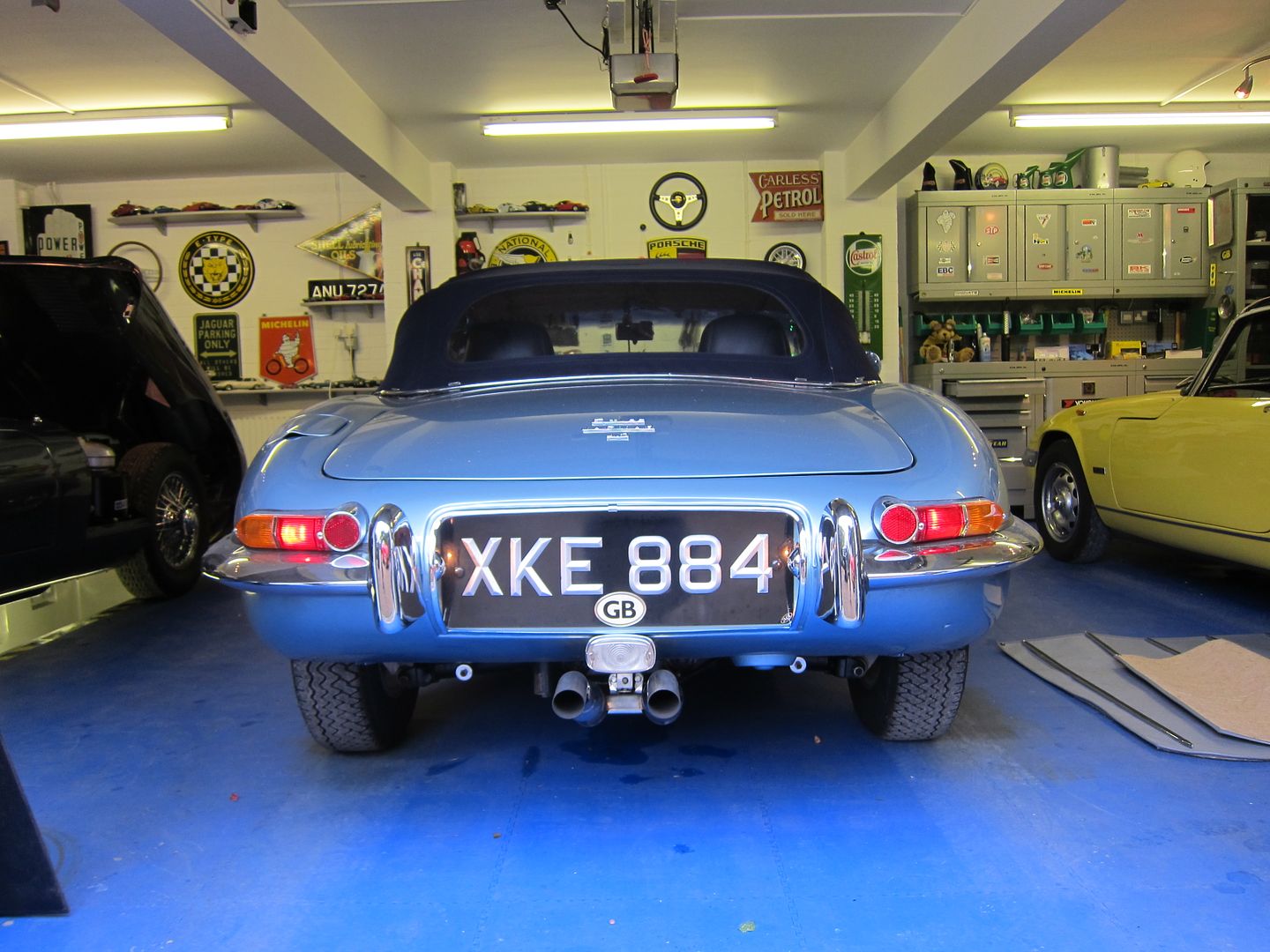
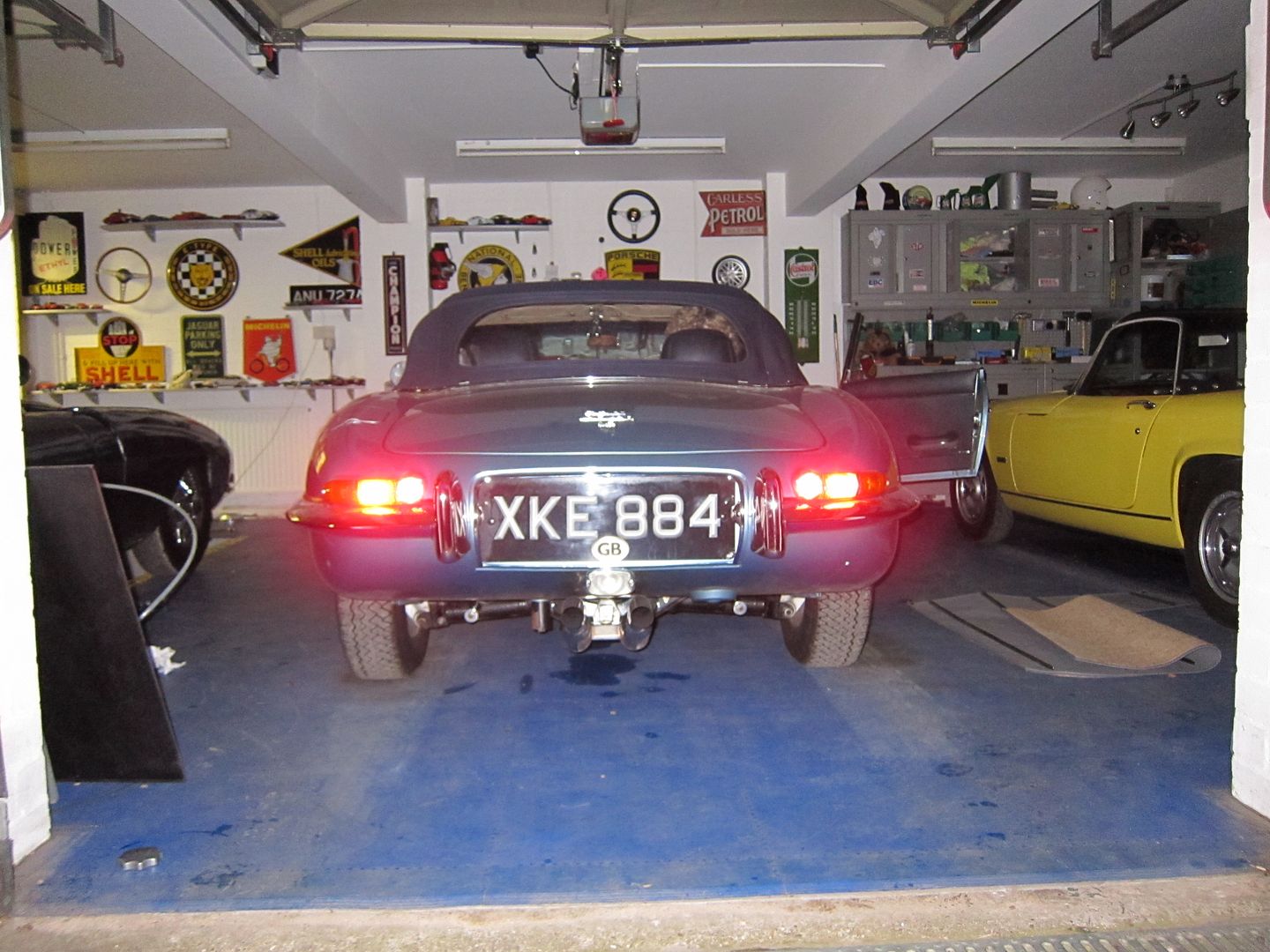
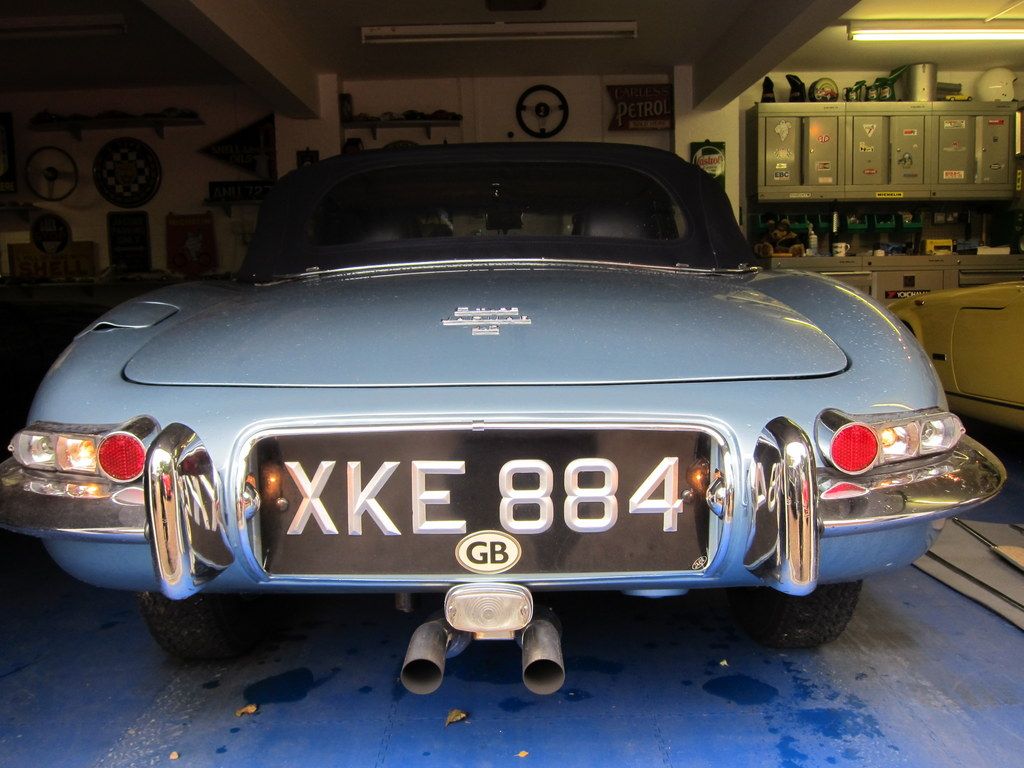
So that puts the old chestnut about heat to bed. Just got to figure out why the QH look as dim. I have been corresponding with the supplier Paul Goff and he is equally puzzled. He has offered to swap them for LED's but says are they usually brighter on tail but around the same on stop as Tungsten bulbs - but not as bright as QH bulbs.