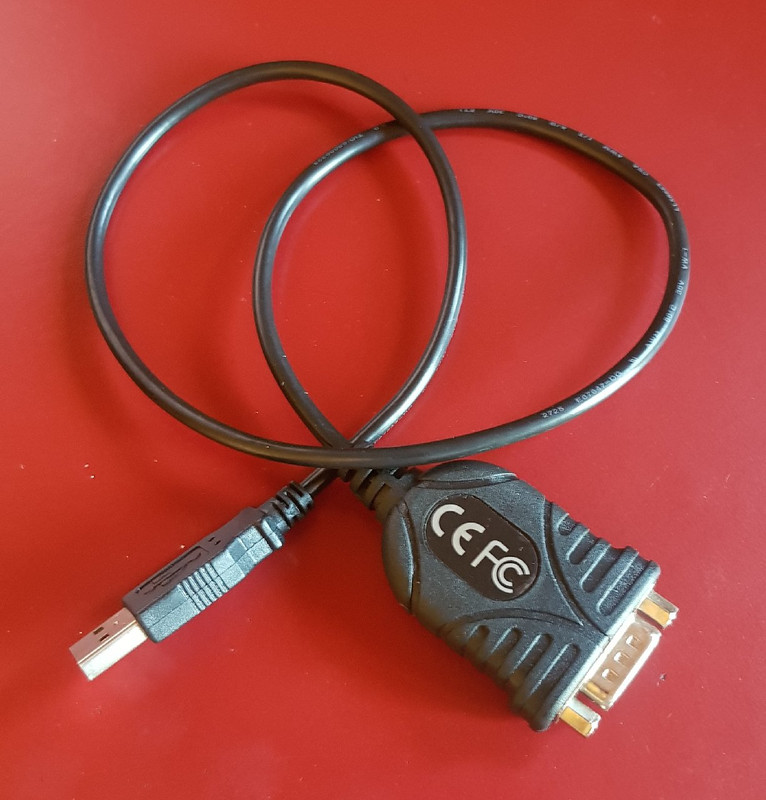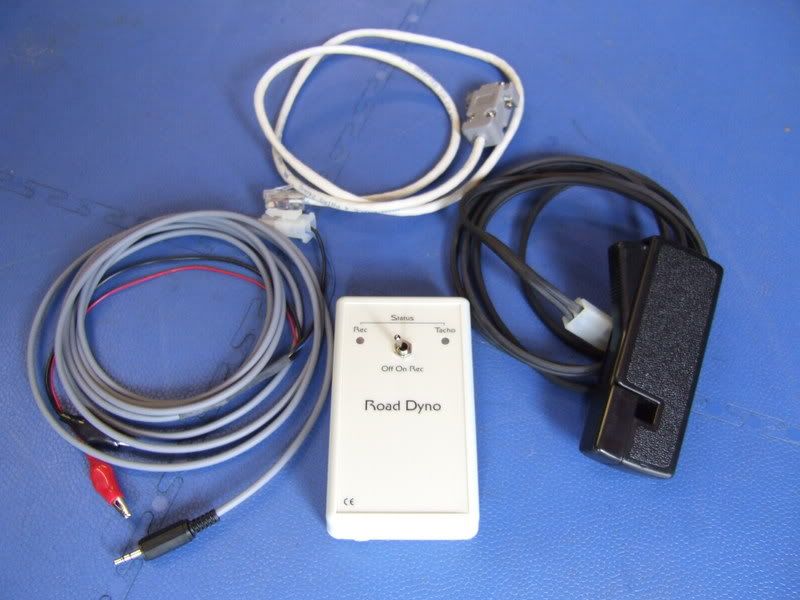
Connect the HT clamp around one plug lead, run the (ample) cable from the bonnet to the car interior (I ran mine between the bonnet seal and in through the passenger window) and plug in the Road Dyno and switch to 'on'. Find a flat and empty stretch of road, switch the Road Dyno to 'record', gently get the car rolling and into second gear at about 1,000 rpm and floor the accelerator up to maximum revs. Switch the Road Dyno back to 'on'. You can do multiple runs as each run will be stored separately provided you do not switch it to off. Connect the Road Dyno to a PC with the supplied serial cable (I attached a Prolific Serial to USB convertor) and start the RD Processor programme. This will allow you to download the files and save to your PC.
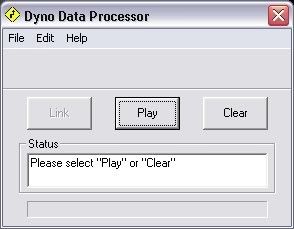
Run the Road Dyno software, pick your file and you can then add the various parameters for your car.
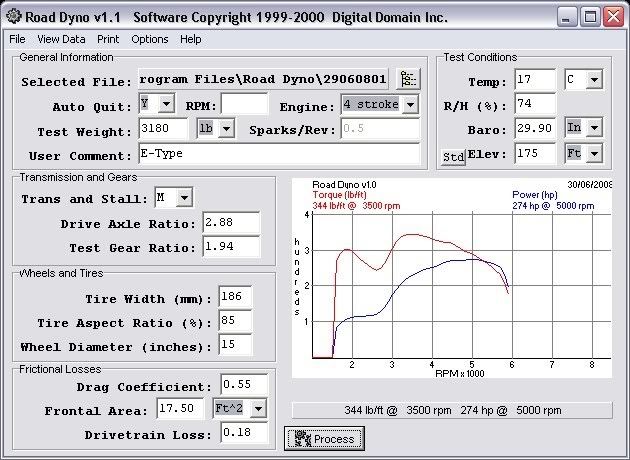
By clicking the 'Process' button the software will graph your results.

So how accurate are the results? Here is a rolling road graph done a few weeks ago on my car (before my carb rebuild):
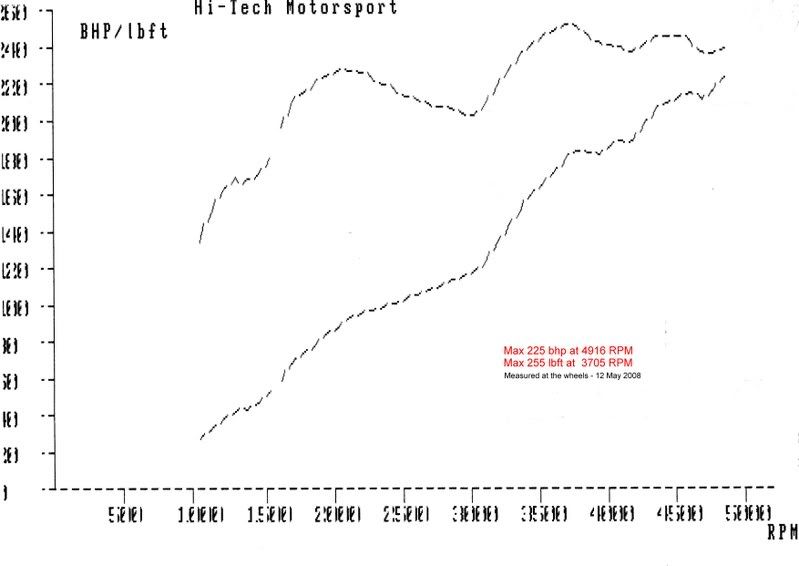
The differences are the rolling road graph was based on power at the wheels whereas Road Dyno calculates the power at the flywheel. Also, due to the high gearing on my car I had to use 1,500 rpm to start the test so I have a much sharper ramp up of power. The Road Dyno graph is with the new carbs. A few more runs, and a bit of practice I have no doubt I could get a better graph. The graph below shows the same run after I asked Road Dyno to take out transmission losses so giving me 'at the wheels' results.

The max BHP and torque are very similar proving the Road Dyno is a very accurate little device for the money. Its main use is in doing comparative runs after setting carbs, timing, upgrades or even different fuel types. In my case both Road Dyno and the rolling road prove I have a torque dip around 2,500 rpm which I intend to address this week with the help of a Classicfabs manifold. I will have a before and after graph to see what gains, if any, are available. More on that later. Not bad for £75+VAT considering a rolling road run costs £135 a time.
Note: Yes, the coefficient of drag of an S1 E-Type OTS (hood down) is indeed 0.55. S1 FHC = 0.5. A contemporary Porsche 911 is 0.327. So much for aerodynamics!
Road-Dyno software and instructions: https://www.dropbox.com/s/kgq66l8tfygv2 ... o.zip?dl=1