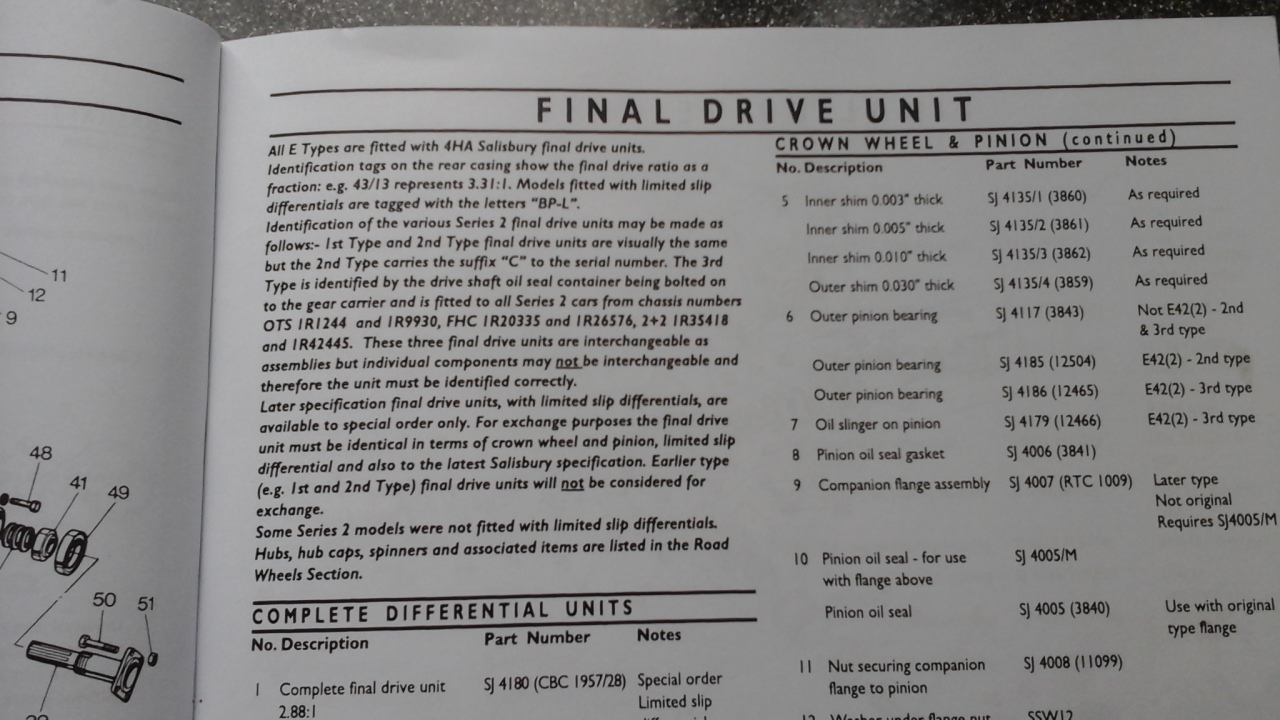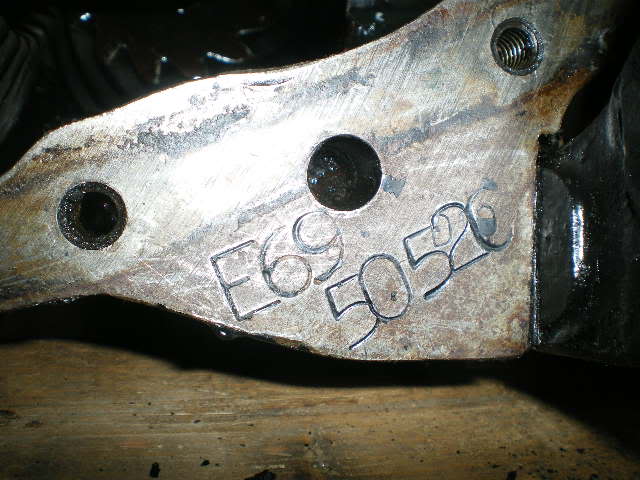

However, on viewing the car it did not have the Type 2 Diff and it was a not a LSD Diff as I had expected. The Type 2 Diff should not be confused with being exclusive to the Series 2 E Type, but these type of Diffs which used the double ball bearings were introduced in around 1970 to replace the previous version, (Type 1 unsurprisingly !), which used Taper Roller bearings, but around 1975, the balls were dropped (!) and the Taper rollers were reintroduced into these Salisbury 4HA Powr-Lok Diffs. Because of the dates the ball bearings were used, this just coincides with many of the Series 2 E types having them.
In order to explain the issues around the Type 2 output shafts and why people fit the Taper rollers Output shafts, I lugged a couple of my spare diffs onto the bench and while I had them there and took some photos, I thought the images could be a useful reference to the Forum.
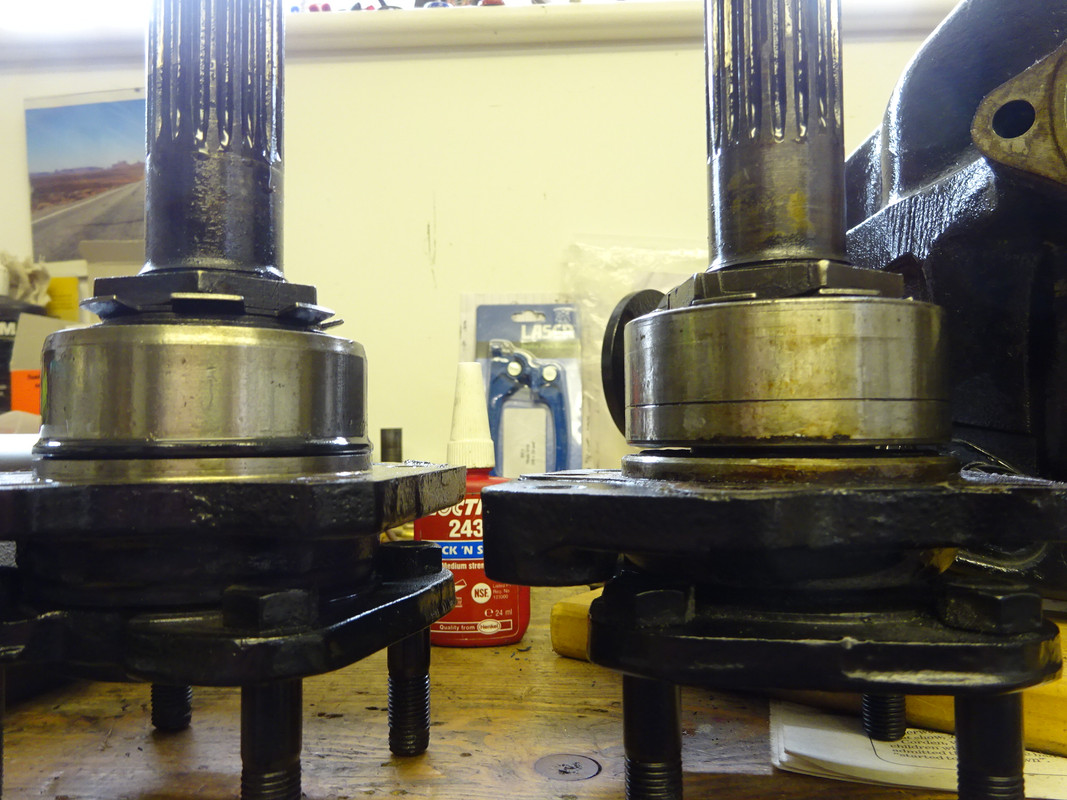
The two Output Shafts. On the left a later Taper Roller from an XJS Diff and on the right an earlier Type 2 Ball bearing unit. Note the later unit has the bearings inside the housing which itself has an external O ring to fit and seal into the Diff casing. The external surface of the Type 2 unit is actually the outer surface of the Double Ball Bearing.
The Type 2 Diff is hard to distinguish externally, but usually has a Suffix “C” in the unit serial number.
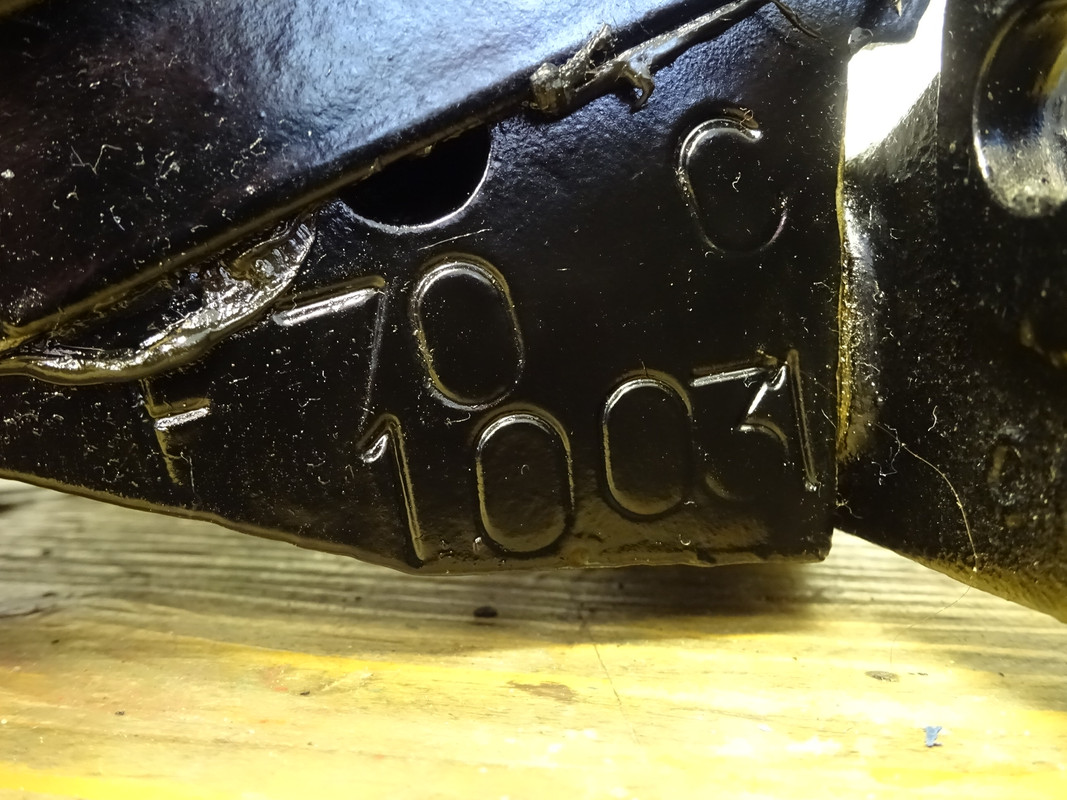
Both Diff casings are the same internal diameter to facilitate the fitting of the different Output shafts. Note the Type 2 has an internal O ring.
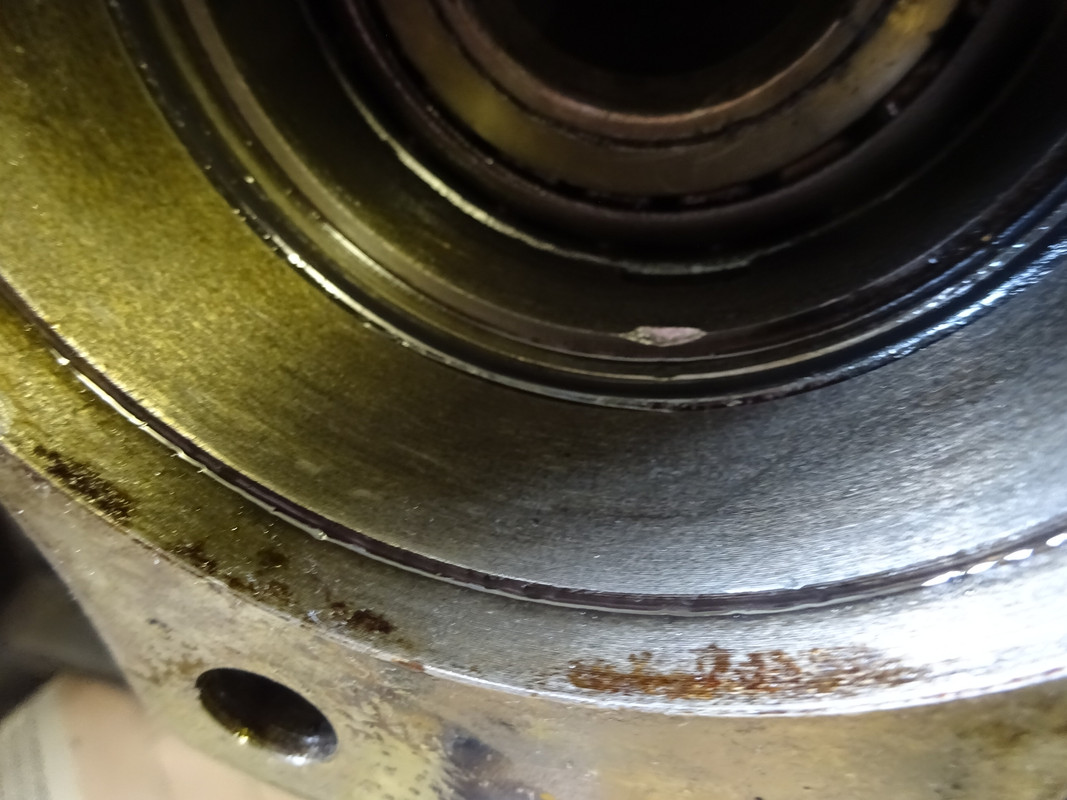
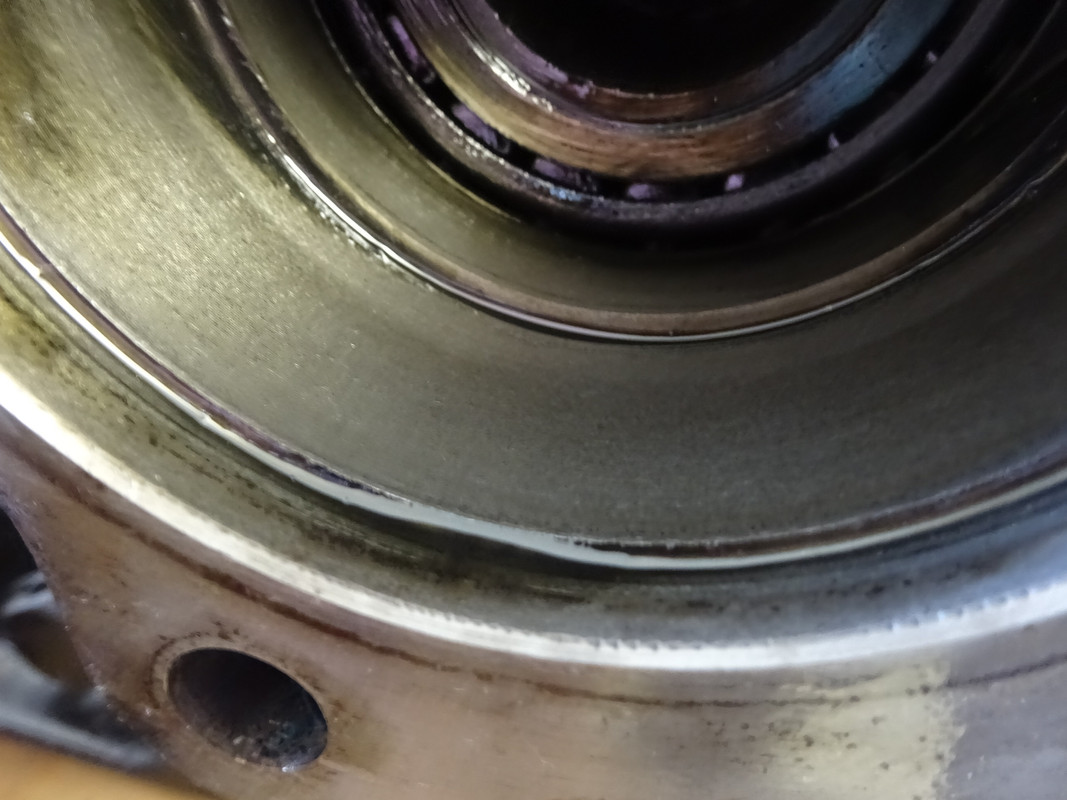
The later Diff casing does not have the internal O ring as it seals using it’s own external O ring on the bearing housing.
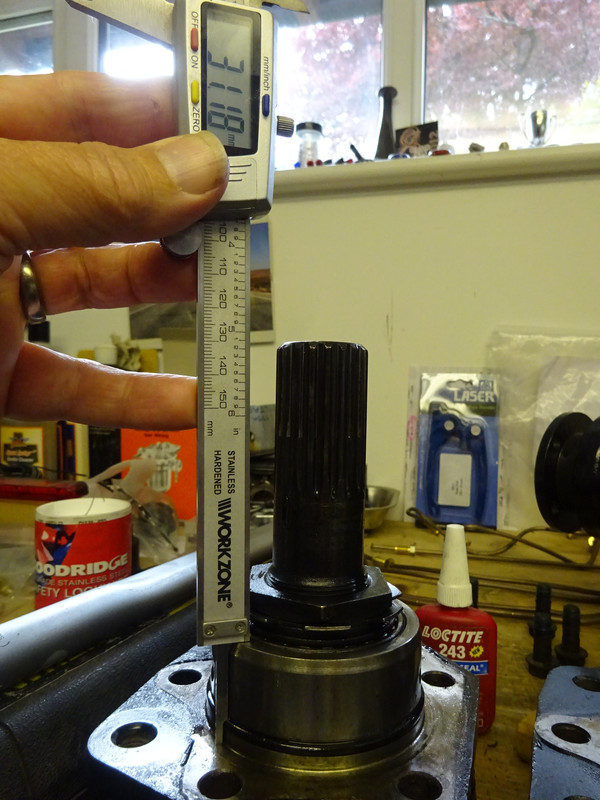
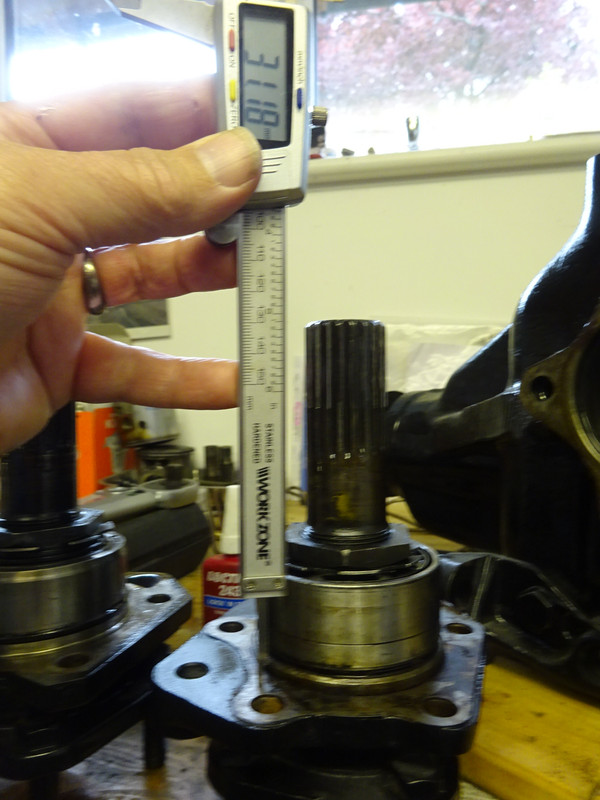
Two final photos with no particular reference to the dimension, but just to show a dimension of the overall length of the roller housing to the mounting flange and the second photo showing the bigger Type 2 overall length. This allows the roller housing to fit into the Diff casing if this better form of bearing and oil sealing arrangement was required.
Hope that was of interest !
Cheers,
Dave