There are some misconceptions floating about here.
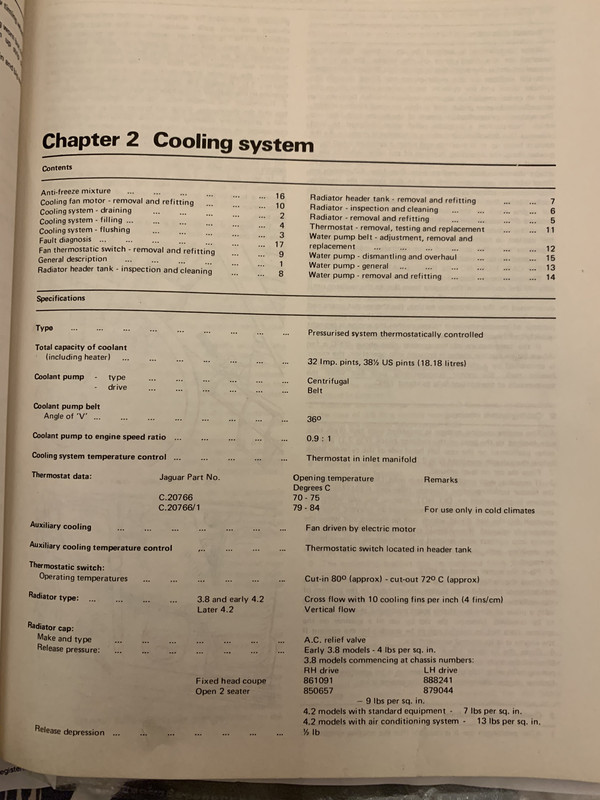
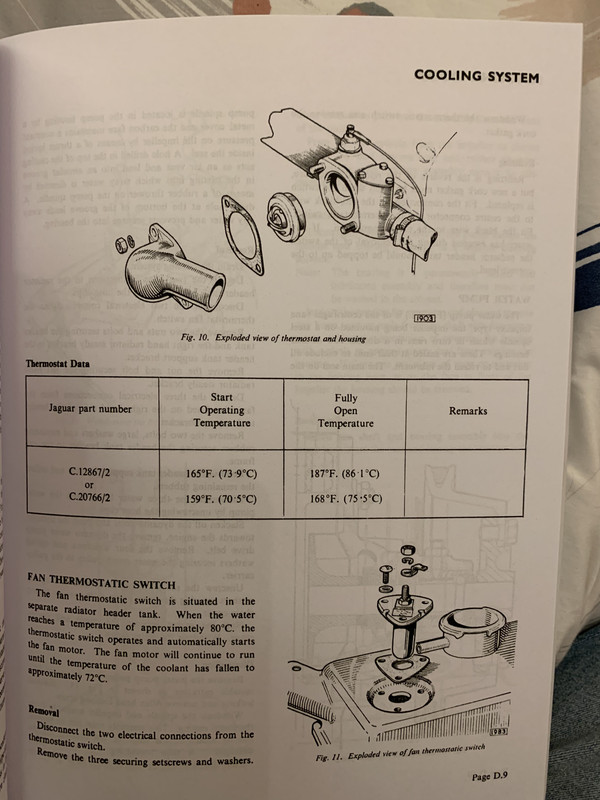
The sole function of a thermostat is to set the minimum operating temperature of the engine. Just go with the manufacturer's recommendation and don't read any more into it than that.
tinworm wrote: ↑Thu Jun 16, 2022 5:19 am
The cold coolant shock as the thermostat opens ( and as I said that shows on the gauge) is something to consider for the well being of your engine and a reason not to go to too high a range of 'stat though
Thermal shock:- don't put the cart before the horse. The maximum temperature swing of the water is only ever going to be about 75'c. That's limited to the first radiator-full of water when a thermostat opens for the first time after startup. But this happens because heat is being generated in the cylinder head by a controlled explosion in a metal cylinder surrounded by a water jacket. The real thermal shock is coming from any rapid change in engine load and rpm. This happens all of the time whenever you are driving and you change the revs or change the workload.

- thermostat opening.png (147.46 KiB) Viewed 13775 times
In this example, contrast what is going on between A and B (at idle) and then between B and C, when the car moves off. On the second graph, the exhaust gas temperature (white trace) jumps from ~280'c to ~430'c and that is just going from idle rpm to ~1400rpm. Expect temperatures to rocket to 600'c+ if you just decide to gun the works. The pesky little movement of the water temperature gauge is pretty insignificant compared to this and isn't really worth a second thought by comparison - this is just the result of the
real thermal shock inside the cylinder head (which is part of normal driving) after the heat has conducted through the metal and after it has then been picked up by circulating water. Being worried about the effect, rather than the cause is sort of "secondary" in my opinion.
The third graph shows water temperature. CLT in white is the temperature exiting the back of the engine and there is an identical sensor called OtterCLT with a green trace at the bottom of the radiator. You can see a 61'c spread between the two when the thermostat first opens. Unsurprisingly, that spread narrows once the water has looped around a few times.
The fourth graph is water flow via the bypass and via the radiator. White and red are flow through the bypass (65000=no flow; 0=full flow) and yellow and green are flow through to the radiator (65000=no flow;0=full flow). Low numbers on the white and red traces give way to low numbers on the green and yellow traces - water through the bypass (and none to the radiator) is replaced by flow to the radiator as time goes on. Interestingly, both left and right thermostats (it's a v12) don't open at the same time and the flow of water isn't equally spread 50:50 between them. C'est la vie!
So the thermal shock being worried about is just the smeared out, delayed effect of the real shock of burning petrol in the cylinders. This can move the temperature about 500'c in a few seconds if you do a dyno pull or aggressive overtake. A one-off 8'c thermostat difference in opening temperature isn't "something to consider".
tinworm wrote: ↑Thu Jun 16, 2022 5:19 am
....but the object of the higher rate thermostat is to allow the engine to come off choke sooner...
Really?
Really? I don't buy this very much. Yes - a higher ambient temperature in the engine bay will help atomise the excess fuel that is being delivered, but I can just as easily generate more heat more quickly by driving the car than I can by waiting on the driveway with the higher rated thermostat. The jump in the EGT trace clearly shows that. Once again, the water temperature is an "output", not an "input".
kind regards
Marek