Page 1 of 4
#1 LED Stop/Brake Lights - don't bother?
Posted: Sat Sep 14, 2013 5:03 pm
by Heuer
Given the amount of miles we do in our OTS I have always been concerned about being caught in heavy rain on the Autoroute with only the standard side lights for comfort. I toyed with the idea of LED's but they seem to have several problems. Firstly their light is highly directional which means creating an array of LED's pointing backwards and sideways which in turn means the 'bulbs' are quite large. You also have to carefully select the colour, ideally the same red as the lenses, and in the end the light they produce still looks odd coming from a classic car. As were were discussing PL700 headlamps a few days ago Forum member Adam mentioned there was someone who specialised in upgraded lighting for classic cars and bikes - Paul Goff:
http://www.norbsa02.freeuk.com/ . His site has a huge selection of both LED and filament bulbs but the ones that caught my attention were his Quartz Halogen Stop/Brake lights.
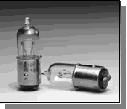
These are 12v 5/35w the same as standard but with a much higher light output. Gives you the benefit of brighter lights without any of the disadvantages of LED's. They also feel somehow more in keeping with a classic car. Not cheap - ?12.95 each + P&P but probably a lot less than being tail ended!
#2
Posted: Sat Sep 14, 2013 5:48 pm
by adv_rider
How about heat? ... Too much and it can melt the plastic covers.
#3
Posted: Sat Sep 14, 2013 7:03 pm
by Heuer
There should be no more heat than standard as the wattage is the same. The extra brightness comes from more efficient use of the filament thanks to the Halogen gas and the quartz glass envelope. More info here:
http://www.norbsa02.freeuk.com/historybulbs.htm
#4
Posted: Sat Sep 14, 2013 9:54 pm
by PeterCrespin
Not wanting to start another row but the above isn't logical David. The halogens do burn hotter, that's where the added light comes from and why they need smaller bulbs made of some high-grade special glass - I forget what. If you were going to make light more 'efficiently' at the same temp you'd use less electricity. Instead using the same wattage they make more light at a higher temp - that's the point of them.
Something like that anyhow. Be interested to see how they work and hopefully they don't melt the lenses. They should certainly be brighter.
Pete
#5
Posted: Sun Sep 15, 2013 7:10 am
by MarekH
Be realistic here:- the brake light is only ever on for a brief period of time so will not be the cause of overheating. The general rear light will be where the heat problem, if any, will be.
kind regards
Marek
#6
Posted: Sun Sep 15, 2013 12:11 pm
by Heuer
Here is a side by side comparison of the Halogen 5/35w bulb and the standard tungsten 5/21w bulb:
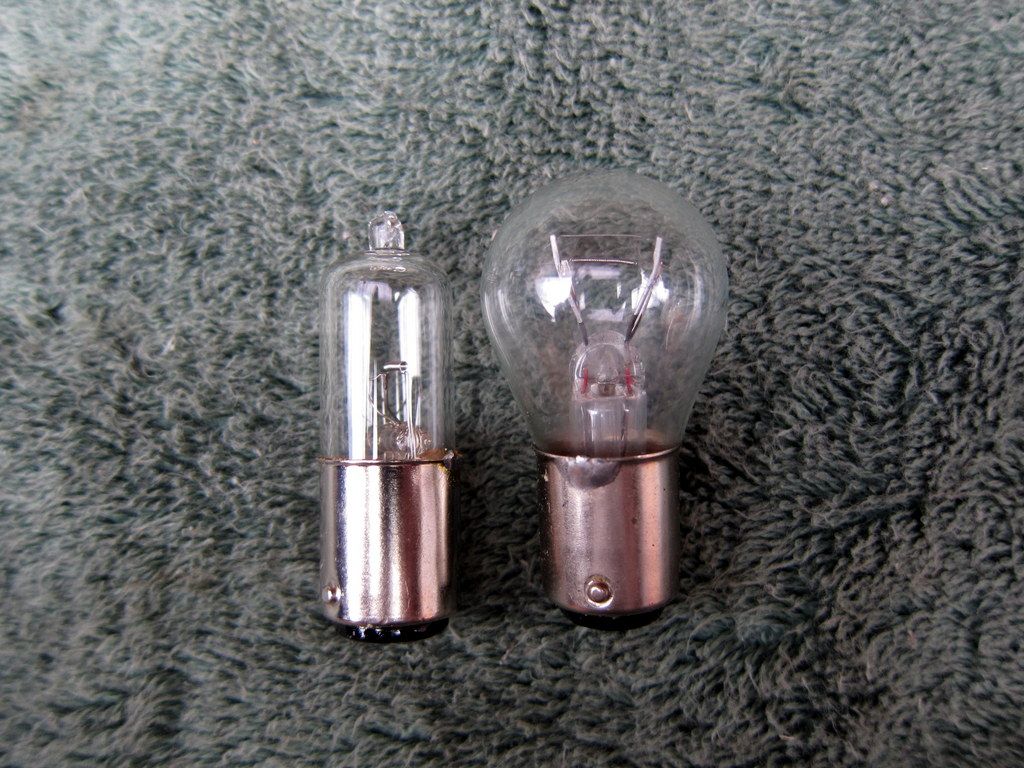
The smaller size of the Halogen means there will be more air around it to keep it cool and, as Marek rightly points out, the extra power output of the brake light (35w vs 21w) is only going to be there for a relatively short period of time so lens damage seems unlikely. I will however dig out my temperature gun and do some side by side comparisons.
#7
Posted: Sun Sep 15, 2013 12:43 pm
by PeterCrespin
I agree, but you'd be surprised how burningly hot a 3W instrument bulb can get if you get up close and personal. I can't be the only one who has smeared fingerprint skin during a rewire? With a stonking 5W of halogen power all hell could break loose. Should be fine though :-)
When I did winter motorbike commutes I often lusted after headlights that could blister the boot paint of cars that pulled out in front of me.... When they were British bikes the problem was that you were permanently driving into your own shadow if a car came up behind you, which was especially horrible in fog. If you think a Series 1 E-type is invisible from the back at night, try it with only one 5W filament, doubling up as tail and numberplate light...
#8
Posted: Sun Sep 15, 2013 1:41 pm
by Heuer
Hah - I was out in the FHC last night with the NOS PL700's and the supplied standard tungsten bulbs. Very quaint having those two orange glows probing the darkness - not going to do that again! I may be leaning towards fitting a pair of Paul Goffs Quartz Halogen P45 410 base bulbs.

Anyway Pete you have got me started now so a full set of metrics on bulb temperatures will be available shortly.
#9
Posted: Sun Sep 15, 2013 5:23 pm
by 1954Etype
Heuer wrote:Hah - I was out in the FHC last night with the NOS PL700's and the supplied standard tungsten bulbs. Very quaint having those two orange glows probing the darkness - not going to do that again! I may be leaning towards fitting a pair of Paul Goffs Quartz Halogen P45 410 base bulbs.
Anyway Pete you have got me started now so a full set of metrics on bulb temperatures will be available shortly.
only after you have worked out what the correct nuts are on the bonnet terminal mounting studs...
#10
Posted: Sun Sep 15, 2013 5:38 pm
by Heuer
BA-4 fit perfectly

#11
Posted: Mon Sep 16, 2013 1:41 am
by PeterCrespin
Heuer wrote:
Anyway Pete you have got me started now so a full set of metrics on bulb temperatures will be available shortly.
Always good to have data. Depending which sources you use be sure not to mix the 'temperature' of the light emitted with the physical temp of the lit bulb.
Pete
#12
Posted: Mon Sep 16, 2013 9:04 am
by Heuer
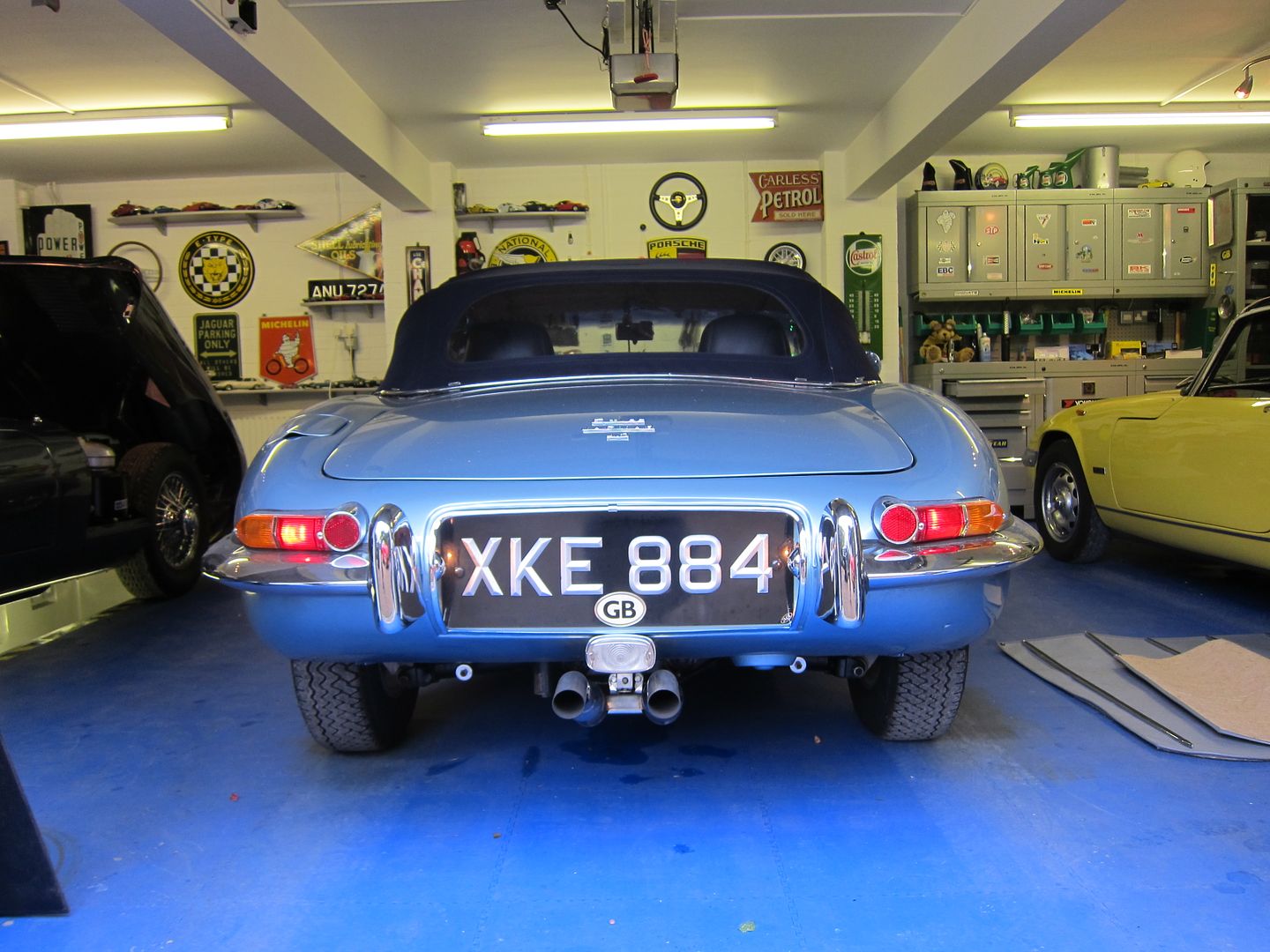
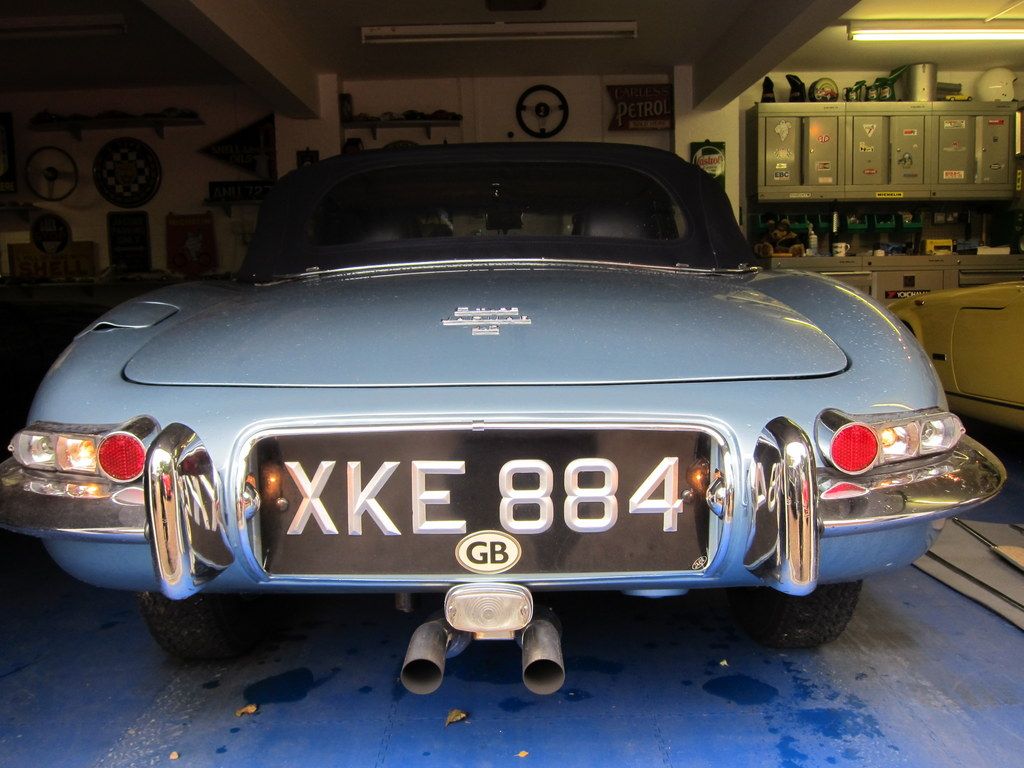
Well, that was interesting but at least I do not need to get out the measuring equipment. Here is a side by side comparison with the standard Tungsten bulb. First the side lights:
Then the brake lights:
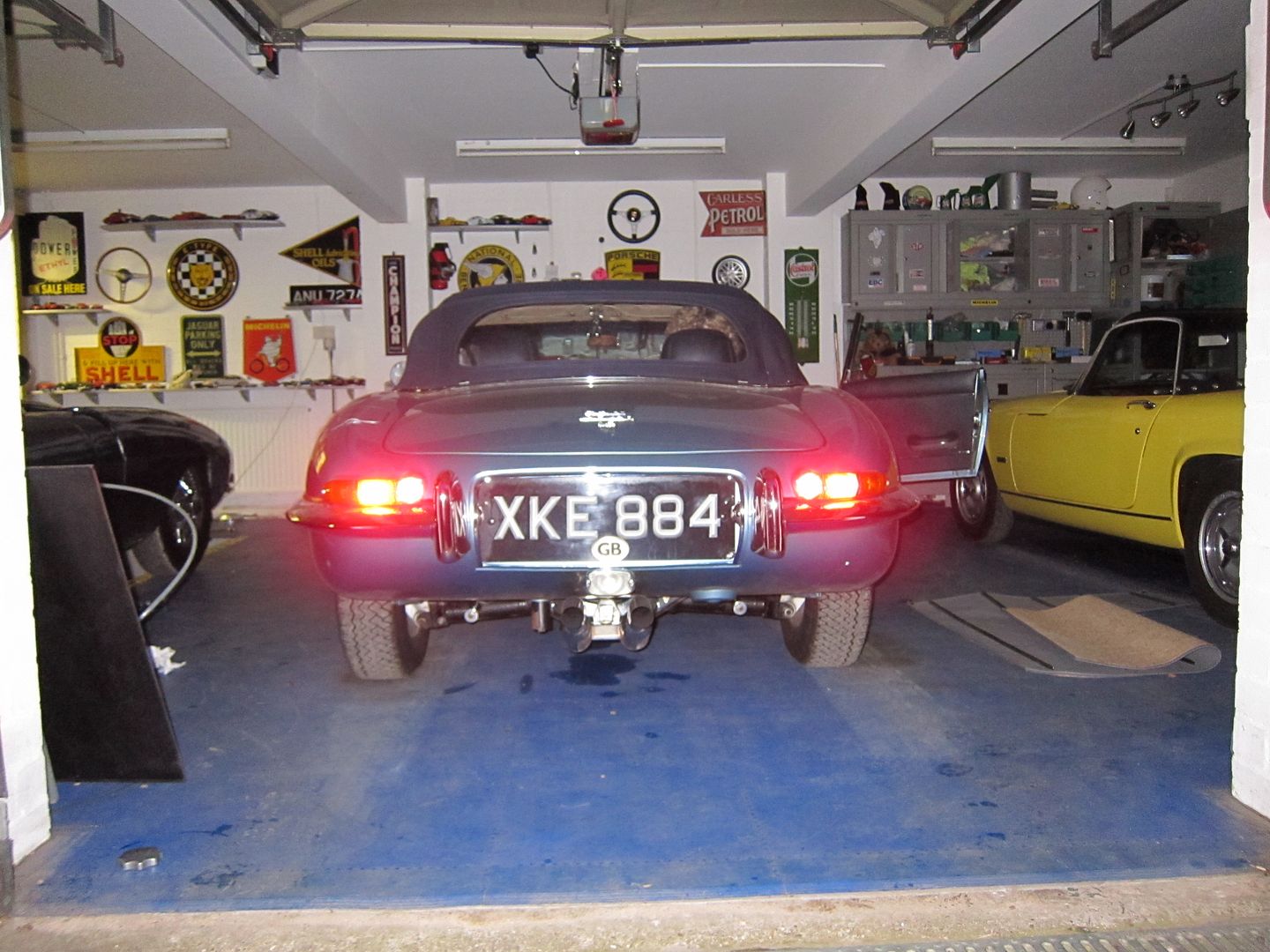
Anyone care to guess which side the Quartz Halogen bulb is on?
#13
Posted: Mon Sep 16, 2013 11:39 am
by 1954Etype
LHS?
#14
Posted: Mon Sep 16, 2013 12:04 pm
by Heuer
Nope - RHS! The Tungsten bulb is brighter on both side and stop lights compared to the QH which is odd. Maybe it has to do with the position of the filament in relation to the reflector or the shape of the bulb? So more of a downgrade than an upgrade.
#15
Posted: Mon Sep 16, 2013 12:16 pm
by PeterCrespin
Clearly this was an unfair test. How was the QH bulb supposed to compete with the bilious yellow non-Jaguar object on the starboard side?
#16
Posted: Mon Sep 16, 2013 12:26 pm
by Heuer
That, Mr Crespin, is my test bed for the S2 rear lights which you will recall Jaguar nicked from Lotus, but their Secret Agent failed to steal the ones with the integrated reversing lights. Shambles!

#17
Posted: Mon Sep 16, 2013 2:31 pm
by PeterCrespin
Awright Guv'nor. You done me like a kipper!
#18
Posted: Mon Sep 16, 2013 3:41 pm
by Heuer
Bob Wilkinson made the following observation on J-L:
"David
I agree--a strange result, and you may well have the reason in differing filament positions relative to the reflector. But out of curiosity, did you have a look with the lenses removed? Quartz halogen bulbs operate at a higher color temperature, which is why they produce more light and less heat per input watt. In other words, they produce more visible light in total, but in doing so their spectrum is shifted away from the infrared towards the blue. This is perceived as brighter for, say, a headlight. But when deliberately filtering for the red part of the spectrum, there might not be as much red there as with a conventional bulb.
A note about heat: That halogen bulbs generate less heat is true only for the same wattage--folks often increase the wattage when fitting the halogens. Folks also tend to think that halogens produce more heat because they operate at a higher temperature--not the same thing. Also, the fact that the quartz envelope is small (has to be) allows you to get closer to the filament--this also tends to make folks think there's more heat. But if you want to use a bulb as a heater, as in a kid's easy-bake oven, the old fashioned kind works better."
So that puts the old chestnut about heat to bed. Just got to figure out why the QH look as dim. I have been corresponding with the supplier Paul Goff and he is equally puzzled. He has offered to swap them for LED's but says are they usually brighter on tail but around the same on stop as Tungsten bulbs - but not as bright as QH bulbs.
#19
Posted: Wed Sep 18, 2013 10:13 am
by Heuer
To close this off I took pictures of the bulbs without the lenses. To aid comparison I only photographed the side lights as both bulbs are 5w. QH bulb on the right:
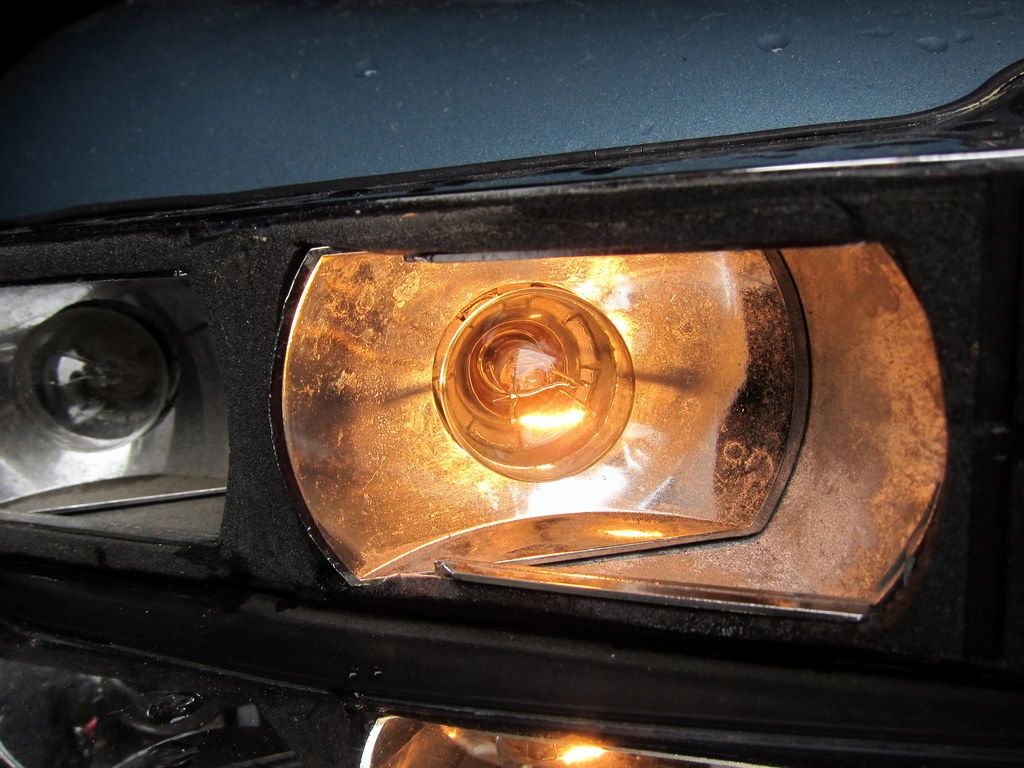
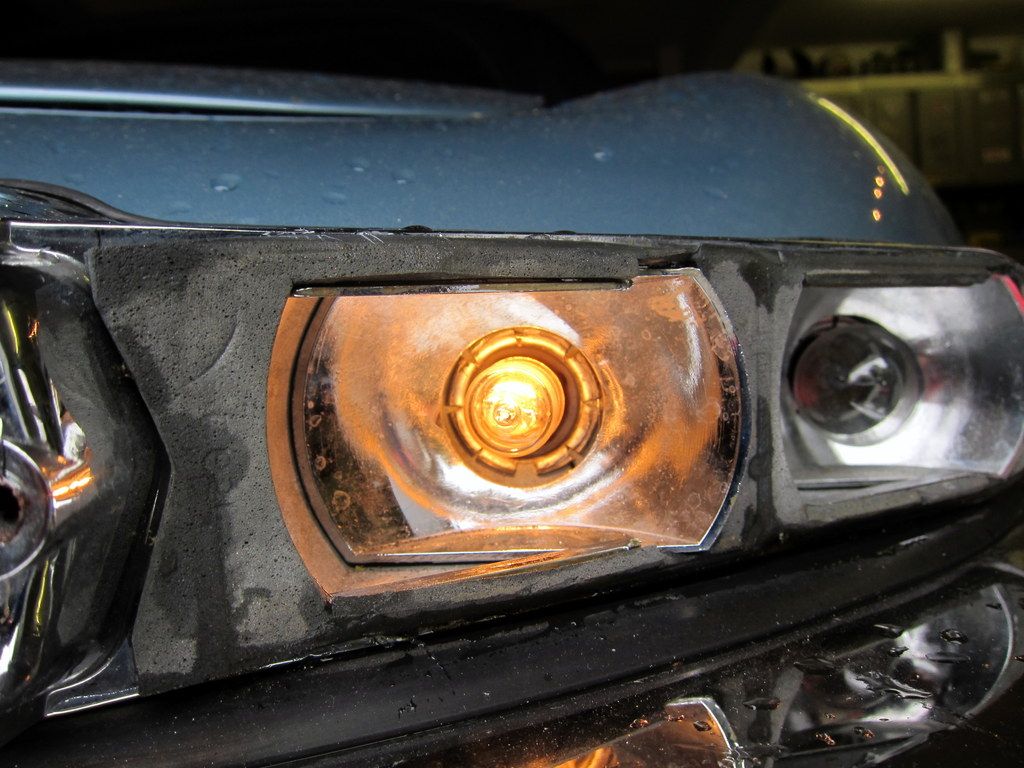
So both pretty much the same brightness until you put the red filter on. Bob was spot on with his analysis. The red lenses cut down the amount of light transmitted dramatically. The blue colour bias of the QH spectrum is filtered out by the red filter leaving about 50% of 'red' spectrum light to pass through - hence the effect we are seeing. Not a problem with QH headlights obviously so I don't think these bulbs are suitable for stop/side use. They are being exchanged for LED's.
#20
Posted: Wed Sep 18, 2013 3:42 pm
by PeterCrespin
Heuer wrote:Bob Wilkinson made the following observation on J-L:
A note about heat: That halogen bulbs generate less heat is true only for the same wattage--folks often increase the wattage when fitting the halogens. Folks also tend to think that halogens produce more heat because they operate at a higher temperature--not the same thing. Also, the fact that the quartz envelope is small (has to be) allows you to get closer to the filament--this also tends to make folks think there's more heat. But if you want to use a bulb as a heater, as in a kid's easy-bake oven, the old fashioned kind works better."[/i]
So that puts the old chestnut about heat to bed.
Yes, Bob is a thoughtful guy over on E-type and a few other J-L forums. He researches his answers if he doesn't know it already, which, being a science lecturer he usually does! I'd take his word as Gospel until proven otherwise and it was good to get a few kinks in my understanding straightened out. Thank you David for replaying it here.