


Hello,
After a complete restoration of my E TYPE 3L8, I am running in at 2500 rpm and I have only driven 500KM. For some time now, if I accelerate frankly, I have holes in acceleration with explosion noises and the car stutters, if I accelerate very gradually these manifestations are rarer. What should I check as a priority. Thank you very much
have a good day
marc
Holes in acceleration with explosion

#2 Re: Holes in acceleration with explosion
Vaste sujet.
Where to begin.
I am presuming that your engine is unmodified and running triple SUs on UM needles.
Reading between your (French) lines I would suggest it sounds as if your car is running too weak, and I would start by checking that your float-heights in the float chambers are not too low.
If putting the choke on FULL improves the situation, this would tend to confirm that the problem is one of a weak mixture, as the choke just drops the main jets and creates a bigger passage for the fuel.
The first thing is to check how the float-needles are seating, this is covered in the workshop manual, as these determine what the fuel level is in the float bowls, and by extension at what height the fuel is sitting within the main jets.
The lower the fuel level, the weaker the mixture.
(Note : Not connected to your current issue, BUT make sure you have understood why the "breather" washers that sit underneath the float-bowl cover banjos have cutaways in them,
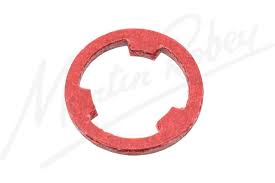
as these banjos are to set the space above the fuel at atmospheric pressure (via the three breather tubes) and it is a common mistake when tinkering with float heights to put these back in the wrong place.)
Fill us in on some of these considerations and others will doubtless chime in with observations and suggestions, normally around early evening our Australian cousins start contributing too.
Where to begin.
I am presuming that your engine is unmodified and running triple SUs on UM needles.
Reading between your (French) lines I would suggest it sounds as if your car is running too weak, and I would start by checking that your float-heights in the float chambers are not too low.
If putting the choke on FULL improves the situation, this would tend to confirm that the problem is one of a weak mixture, as the choke just drops the main jets and creates a bigger passage for the fuel.
The first thing is to check how the float-needles are seating, this is covered in the workshop manual, as these determine what the fuel level is in the float bowls, and by extension at what height the fuel is sitting within the main jets.
The lower the fuel level, the weaker the mixture.
(Note : Not connected to your current issue, BUT make sure you have understood why the "breather" washers that sit underneath the float-bowl cover banjos have cutaways in them,
as these banjos are to set the space above the fuel at atmospheric pressure (via the three breather tubes) and it is a common mistake when tinkering with float heights to put these back in the wrong place.)
Fill us in on some of these considerations and others will doubtless chime in with observations and suggestions, normally around early evening our Australian cousins start contributing too.
Rory
3.8 OTS S1 Opalescent Silver Grey - built May 28th 1962
3.8 OTS S1 Opalescent Silver Grey - built May 28th 1962
| Link: | |
| BBcode: | |
| HTML: | |
| Hide post links |
#3 Re: Holes in acceleration with explosion
Thank you so much, first step for me is testing the choke some seconds to improve the situation.
A bientot ;)
A bientot ;)
| Link: | |
| BBcode: | |
| HTML: | |
| Hide post links |

#4 Re: Holes in acceleration with explosion
Although this is not related to the tuning problem you are experiencing, and I agree you are probably lean, I am concerned about the running in advice you have been given.
By 500ks I would happily be taking the car past 4500rpm. Limiting it to 2500 at that speed will interfere with the rings bedding in and has implications for both the function and longevity of your engine.
By 500ks I would happily be taking the car past 4500rpm. Limiting it to 2500 at that speed will interfere with the rings bedding in and has implications for both the function and longevity of your engine.
Andrew.
881824, 1E21538. 889457. 1961 4.3l Mk2. 1975 XJS. 1979 MGB (supercharged).
Adelaide, Australia
881824, 1E21538. 889457. 1961 4.3l Mk2. 1975 XJS. 1979 MGB (supercharged).
Adelaide, Australia
| Link: | |
| BBcode: | |
| HTML: | |
| Hide post links |
#5 Re: Holes in acceleration with explosion
Interesting, Andrew.
There will be more than one Frenchman with bedding-in problems then, as I myself have been respecting Jaguar's period imprecations which were 1.000 miles max 2.500 rpm, then next 1.000 miles max 3.000 rpm.
Interestingly, MOTUL are intent on gaining a foothold in the Classic Car scene in the UK, at least, and now have a major presence at Goodwood, including an oil analysis spectroscopy machine hidden in a "period" Renault lorry.
A few weeks ago their engineer confirmed to me that their classic mineral oil
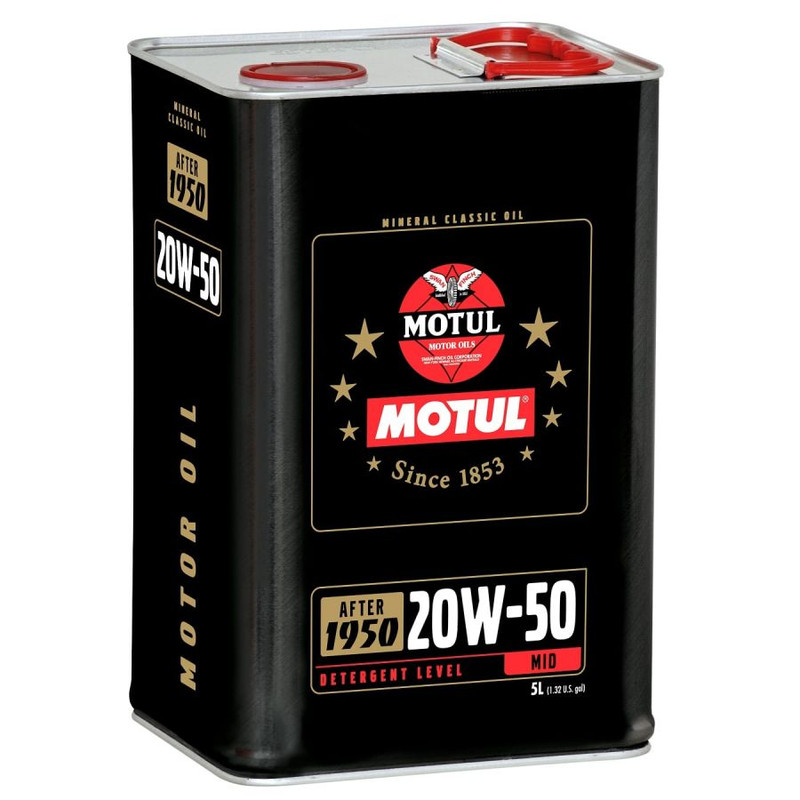
was best for running in, as it prevented - if I understood correctly - potential plastic deformation on the either the bore surface, or the ring surface, during early usage, but that afterwards there was everything to be gained from using their fully-synthetic V300
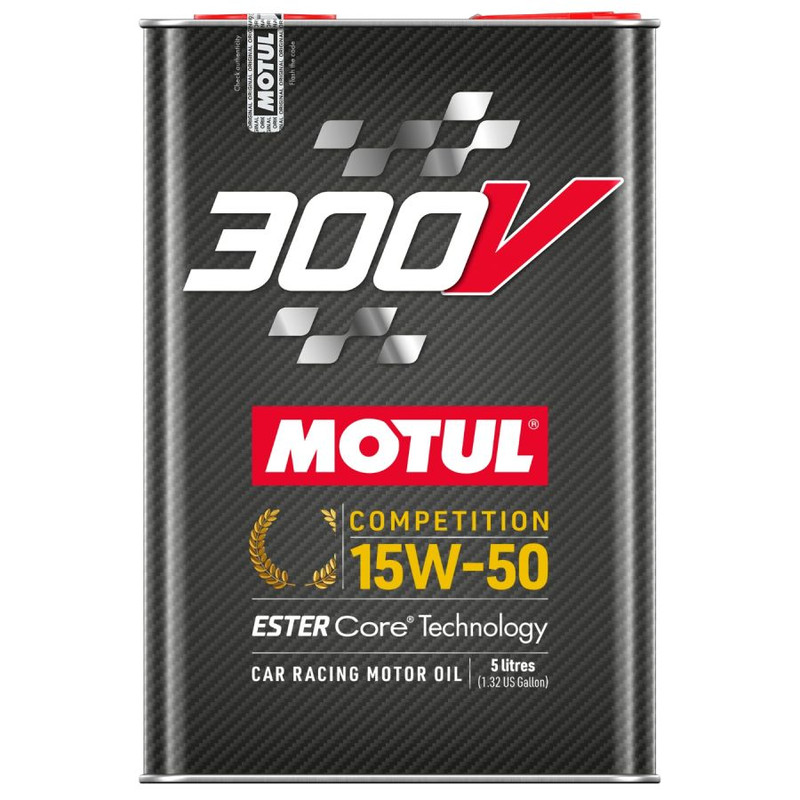
which is from a range of oils that I have been using for over 40 years now, in all my cars and bikes, with complete satisfaction.
I'm at about 1.500 miles now, still on mineral oil, and using 3.000 rpm, and am about to drain and move over to the V300 15W50.
There will be more than one Frenchman with bedding-in problems then, as I myself have been respecting Jaguar's period imprecations which were 1.000 miles max 2.500 rpm, then next 1.000 miles max 3.000 rpm.
Interestingly, MOTUL are intent on gaining a foothold in the Classic Car scene in the UK, at least, and now have a major presence at Goodwood, including an oil analysis spectroscopy machine hidden in a "period" Renault lorry.
A few weeks ago their engineer confirmed to me that their classic mineral oil
was best for running in, as it prevented - if I understood correctly - potential plastic deformation on the either the bore surface, or the ring surface, during early usage, but that afterwards there was everything to be gained from using their fully-synthetic V300
which is from a range of oils that I have been using for over 40 years now, in all my cars and bikes, with complete satisfaction.
I'm at about 1.500 miles now, still on mineral oil, and using 3.000 rpm, and am about to drain and move over to the V300 15W50.
Rory
3.8 OTS S1 Opalescent Silver Grey - built May 28th 1962
3.8 OTS S1 Opalescent Silver Grey - built May 28th 1962
| Link: | |
| BBcode: | |
| HTML: | |
| Hide post links |
#6 Re: Holes in acceleration with explosion
Hello,abowie wrote: ↑Tue Oct 08, 2024 8:32 amAlthough this is not related to the tuning problem you are experiencing, and I agree you are probably lean, I am concerned about the running in advice you have been given.
By 500ks I would happily be taking the car past 4500rpm. Limiting it to 2500 at that speed will interfere with the rings bedding in and has implications for both the function and longevity of your engine.
I am surprised by your answer, in fact on the technical review, it is specified to carry out a running-in at 2500 rpm max over 1500 km then 3000 rpm up to 3000 km after which you can drive normally.
What to do?
| Link: | |
| BBcode: | |
| HTML: | |
| Hide post links |
#7 Re: Holes in acceleration with explosion
This is Rob Beere's take on the subject :
Personally I would just remember to vary the rpm, but keep it below 4000RPM.
The most important thing is not to keep at one speed for long periods & to use lots of throttle up hills etc which raises the cylinder pressure and helps bed the rings in where trundling at constant low rpm can glaze the bores.
When you see a post from me "What To Do About Glazed Bores".
I'll just get my coat, and go for a thrash ............
Personally I would just remember to vary the rpm, but keep it below 4000RPM.
The most important thing is not to keep at one speed for long periods & to use lots of throttle up hills etc which raises the cylinder pressure and helps bed the rings in where trundling at constant low rpm can glaze the bores.
When you see a post from me "What To Do About Glazed Bores".
I'll just get my coat, and go for a thrash ............
Rory
3.8 OTS S1 Opalescent Silver Grey - built May 28th 1962
3.8 OTS S1 Opalescent Silver Grey - built May 28th 1962
| Link: | |
| BBcode: | |
| HTML: | |
| Hide post links |


#8 Re: Holes in acceleration with explosion
Did you check the oil in the SU damping pistons.
Danny
1962 S1 3.8 FHC (1012/1798)
2015 Range Rover Sport SVR
"Experience is something you don't get until just after you need it."
1962 S1 3.8 FHC (1012/1798)
2015 Range Rover Sport SVR
"Experience is something you don't get until just after you need it."
| Link: | |
| BBcode: | |
| HTML: | |
| Hide post links |
#9 Re: Holes in acceleration with explosion
excellent idea, thank you :)
| Link: | |
| BBcode: | |
| HTML: | |
| Hide post links |
#10 Re: Holes in acceleration with explosion
Like everything on internet forums we all have different opinions based on what we've read or been told.
What I do is what I was taught by Chris, who has been building and repairing 6 and 12 cylinder Jaguar engines since the 1970's and who I worked with for over 10 years, and by Brenton, our machinist, who's stock in trade is building high performance V8 engines for the local drag and street market. What they do works for them and has worked for me.
The Jaguar recommendations come from more that 60 years ago when machining and metallurgy were different and I doubt that the majority of engine builders would consider that running in schedule appropriate today.
I'm personally unconvinced by running in oils (and oil marketing in general). What is important is plenty of appropriate assembly lube on the build, quickly attaining oil pressure on startup and not letting the engine overheat.
I really don't think that restricting an engine to below 2500rpm for 500 miles serves any purpose and it may in fact worsen outcome in the long term. If you think about the sort of high power V8 motors Brenton builds, the first thing that happens to them is that they go on an engine dyno for tuning, and they rev them hard.
Rob Beere's comments about constantly varying engine revs early on in the engine's life agree with what I've been taught, and whether it's 4000rpm or 4500rpm once you've got some miles on the engine is much of a muchness. Allowing the car to labour at low rpm uphill should also be avoided. At 1500 miles I'd be out there wringing the engine's neck :-)
As above though, we've all read or been told different things and if there was one correct way of doing any of the things we all talk about here then we'd all do it the same way.
What I do is what I was taught by Chris, who has been building and repairing 6 and 12 cylinder Jaguar engines since the 1970's and who I worked with for over 10 years, and by Brenton, our machinist, who's stock in trade is building high performance V8 engines for the local drag and street market. What they do works for them and has worked for me.
The Jaguar recommendations come from more that 60 years ago when machining and metallurgy were different and I doubt that the majority of engine builders would consider that running in schedule appropriate today.
I'm personally unconvinced by running in oils (and oil marketing in general). What is important is plenty of appropriate assembly lube on the build, quickly attaining oil pressure on startup and not letting the engine overheat.
I really don't think that restricting an engine to below 2500rpm for 500 miles serves any purpose and it may in fact worsen outcome in the long term. If you think about the sort of high power V8 motors Brenton builds, the first thing that happens to them is that they go on an engine dyno for tuning, and they rev them hard.
Rob Beere's comments about constantly varying engine revs early on in the engine's life agree with what I've been taught, and whether it's 4000rpm or 4500rpm once you've got some miles on the engine is much of a muchness. Allowing the car to labour at low rpm uphill should also be avoided. At 1500 miles I'd be out there wringing the engine's neck :-)
As above though, we've all read or been told different things and if there was one correct way of doing any of the things we all talk about here then we'd all do it the same way.
Andrew.
881824, 1E21538. 889457. 1961 4.3l Mk2. 1975 XJS. 1979 MGB (supercharged).
Adelaide, Australia
881824, 1E21538. 889457. 1961 4.3l Mk2. 1975 XJS. 1979 MGB (supercharged).
Adelaide, Australia
| Link: | |
| BBcode: | |
| HTML: | |
| Hide post links |
#11 Re: Holes in acceleration with explosion
after multiple checks my ignition coil only provides 4500
volts is this enough to ensure correct ignition, it doesn't seem like much to me ?
volts is this enough to ensure correct ignition, it doesn't seem like much to me ?
| Link: | |
| BBcode: | |
| HTML: | |
| Hide post links |
#12 Re: Holes in acceleration with explosion
That seems very low, it should be around the 20k. The question is are you measuring correctly.
Danny
1962 S1 3.8 FHC (1012/1798)
2015 Range Rover Sport SVR
"Experience is something you don't get until just after you need it."
1962 S1 3.8 FHC (1012/1798)
2015 Range Rover Sport SVR
"Experience is something you don't get until just after you need it."
| Link: | |
| BBcode: | |
| HTML: | |
| Hide post links |
-
 ralphr1780
- Posts: 1104
- Joined: Wed Apr 11, 2012 4:29 pm

#13 Re: Holes in acceleration with explosion
Marc, firstly welcome!
Checking thoroughly ALL the ignition components and the timing would be my preferred first path.
Simply looking at the 6 spark plugs could give a clear indication.
Checking thoroughly ALL the ignition components and the timing would be my preferred first path.
Simply looking at the 6 spark plugs could give a clear indication.
Ralph
'69 OTS + '62 OTS - Belgium
'69 OTS + '62 OTS - Belgium
| Link: | |
| BBcode: | |
| HTML: | |
| Hide post links |
-
 No Quarter
- Posts: 289
- Joined: Wed Sep 22, 2021 3:20 pm
- Location: Denmark

#14 Re: Holes in acceleration with explosion
Check and correct dwell angle, and then check and adjust timing. Only when ignition is OK is it worth diving into the fuel/3 SUsralphr1780 wrote: ↑Mon Oct 14, 2024 9:37 amChecking thoroughly ALL the ignition components and the timing would be my preferred first path.
Simply looking at the 6 spark plugs could give a clear indication.
Mikael
63 E-Type FHC, 64 E-Type OTS, 07 XKR
Author of "Tuning Made Easy"
https://www.amazon.com/Tuning-Made-Easy ... 373&sr=8-1
63 E-Type FHC, 64 E-Type OTS, 07 XKR
Author of "Tuning Made Easy"
https://www.amazon.com/Tuning-Made-Easy ... 373&sr=8-1
| Link: | |
| BBcode: | |
| HTML: | |
| Hide post links |
#15 Re: Holes in acceleration with explosion
Hello
After dismantling the electronic ignition it turned out that it must have been of Chinese quality... !!!!with a friction of the finger which had damaged the part. After replacement with a new electronic ignition using a quality part, everything works well again.
Thanks a lot for your help
have a nice evening
After dismantling the electronic ignition it turned out that it must have been of Chinese quality... !!!!with a friction of the finger which had damaged the part. After replacement with a new electronic ignition using a quality part, everything works well again.
Thanks a lot for your help
have a nice evening
| Link: | |
| BBcode: | |
| HTML: | |
| Hide post links |