


| Link: | |
| BBcode: | |
| HTML: | |
| Hide post links |
| Link: | |
| BBcode: | |
| HTML: | |
| Hide post links |

| Link: | |
| BBcode: | |
| HTML: | |
| Hide post links |
| Link: | |
| BBcode: | |
| HTML: | |
| Hide post links |

| Link: | |
| BBcode: | |
| HTML: | |
| Hide post links |
| Link: | |
| BBcode: | |
| HTML: | |
| Hide post links |

| Link: | |
| BBcode: | |
| HTML: | |
| Hide post links |
| Link: | |
| BBcode: | |
| HTML: | |
| Hide post links |
You're welcome.Jeff Cecil wrote: ↑Fri Nov 29, 2019 10:32 pmEric, these cars were not precision fit when made. While restoring my 69 fhc, I noticed an quarter an inch difference from right side to left side at the rear quarter windows. (Maybe that's why they call them quarter windows I thought). Jokes aside, I have heard stories that the factory workers would hold several doors up to the openings until they got the closest fit and would massage the best one into place.
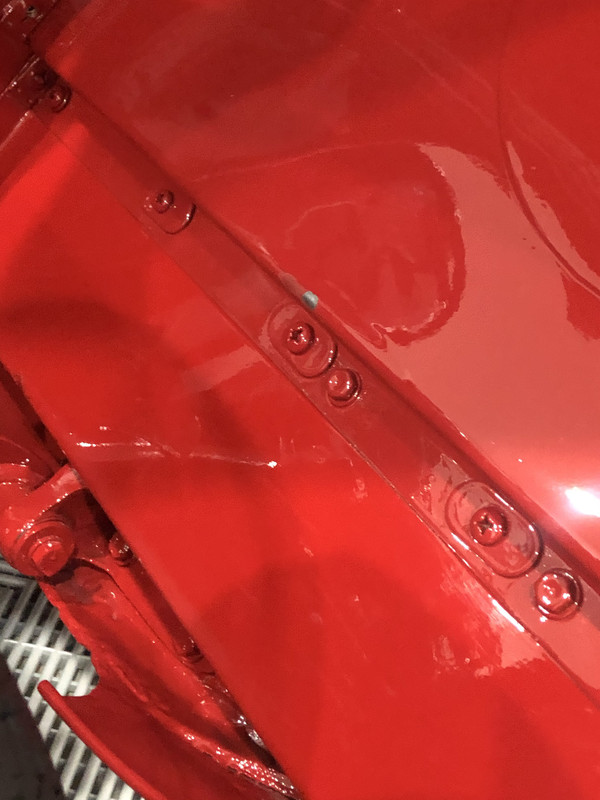
Bonnets were somewhat the same, and were adjusted accordingly to how they fit the subframes/trapeze frame, etc.. There are lots of horror stories among the E Type owners about bonnet fit.
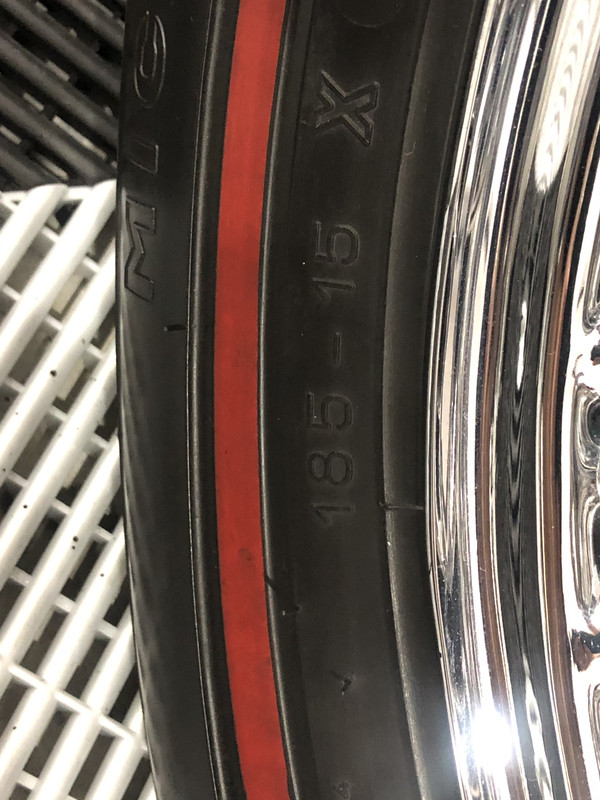
My guess is that the restorers moved the bonnet/cowl gap closer to get a nice gap look and in doing so, they moved the whole bonnet closer back on the side rubbing to close the gap. There are shims behind the bonnet hinges on most cars to adjust the bonnet away from the cowl. If they went for a close gap they may have removed the shims on that side or both sides. People have been known to weld a small bead of wire to the rear of the bonnet to bring it to a nice gap. All kinds of things can happen when fitting the bonnet. Moving the bonnet in tight for a smaller gap could bring your tire into play by rubbing.
Just my thoughts on your problem.
| Link: | |
| BBcode: | |
| HTML: | |
| Hide post links |

