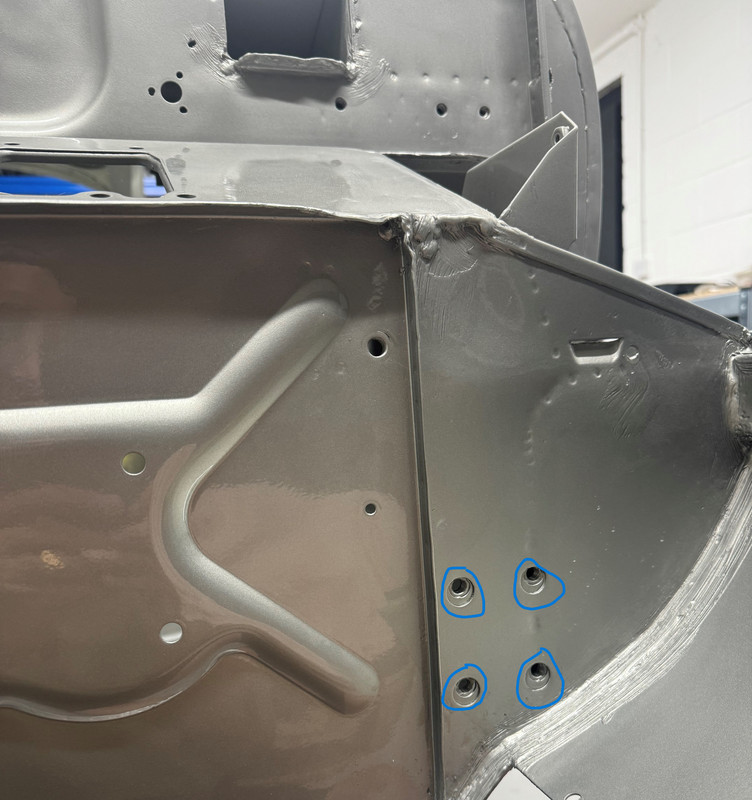
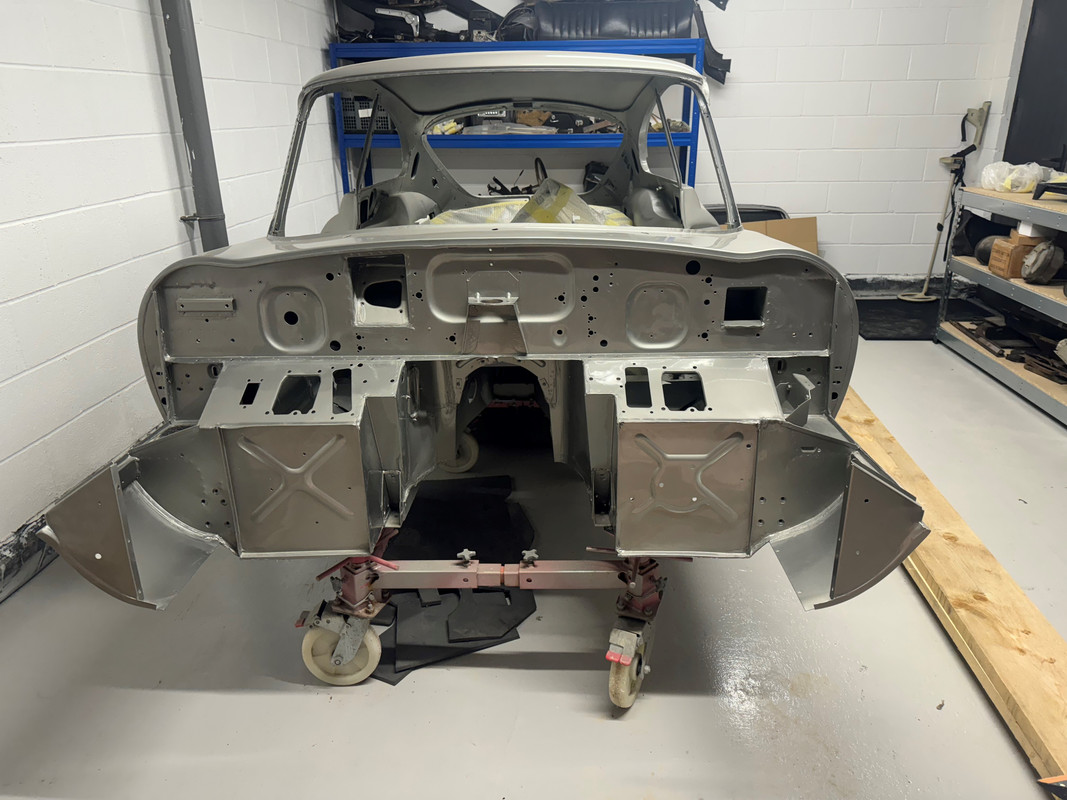
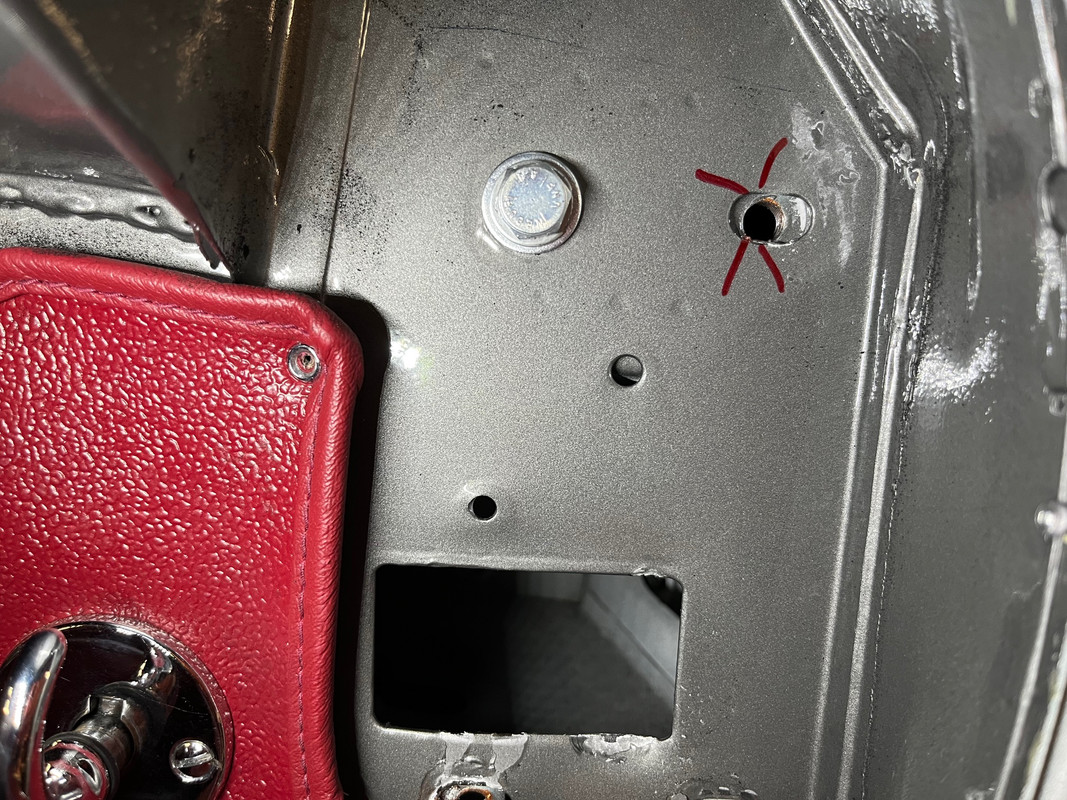
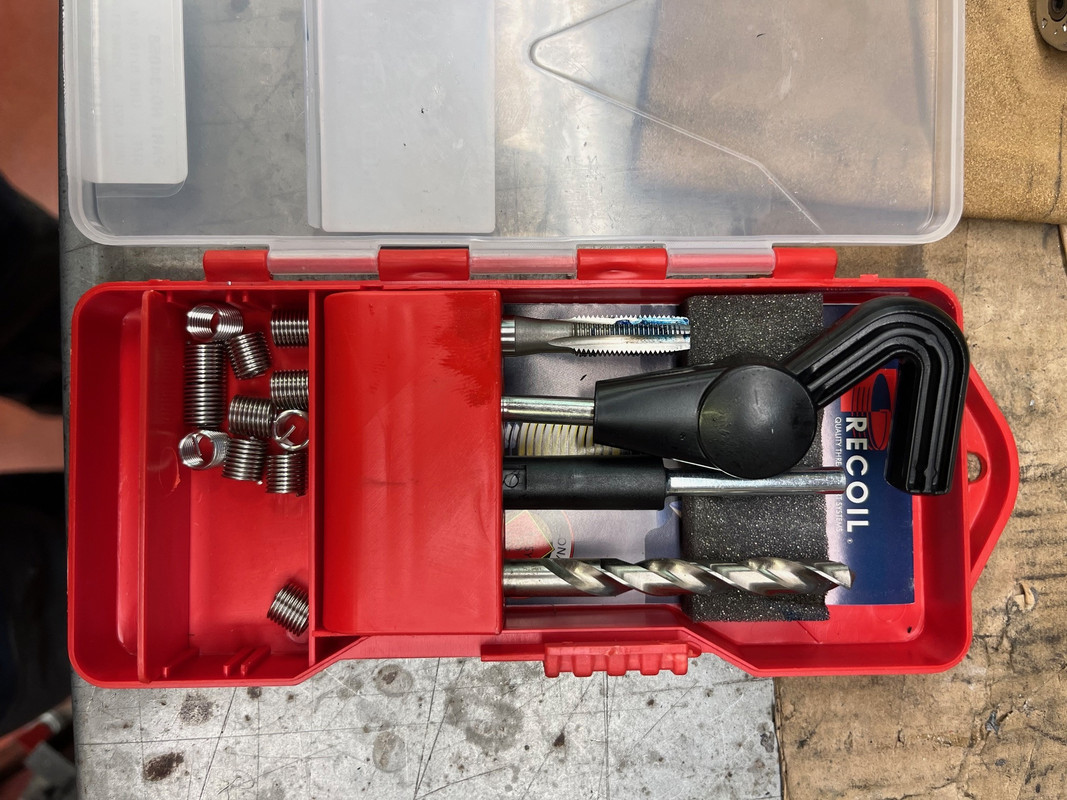
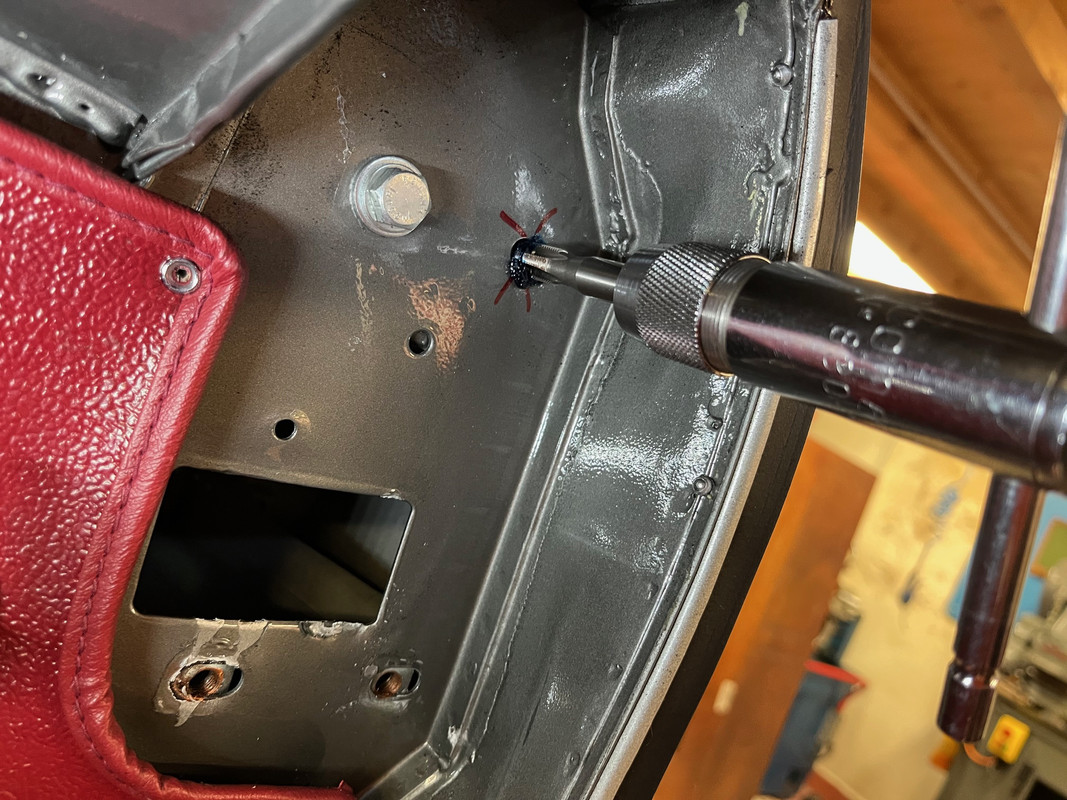
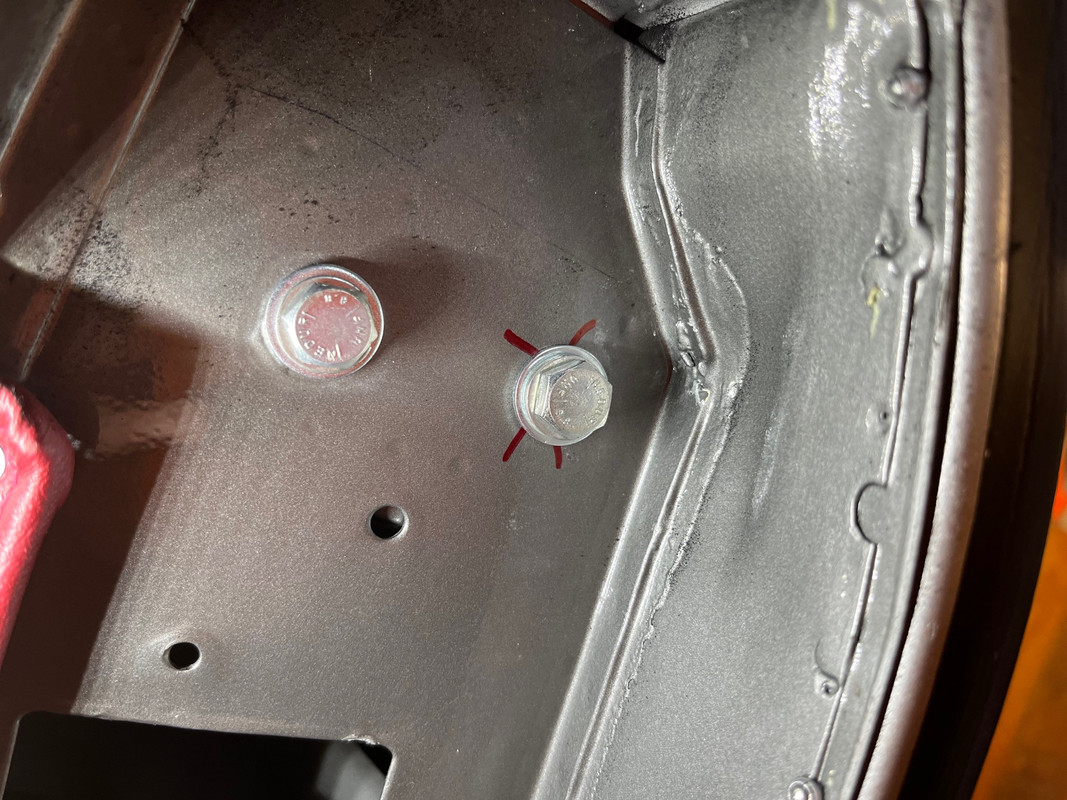
If it were me, I would Helicoil them, 5/16 UNF is easily available.
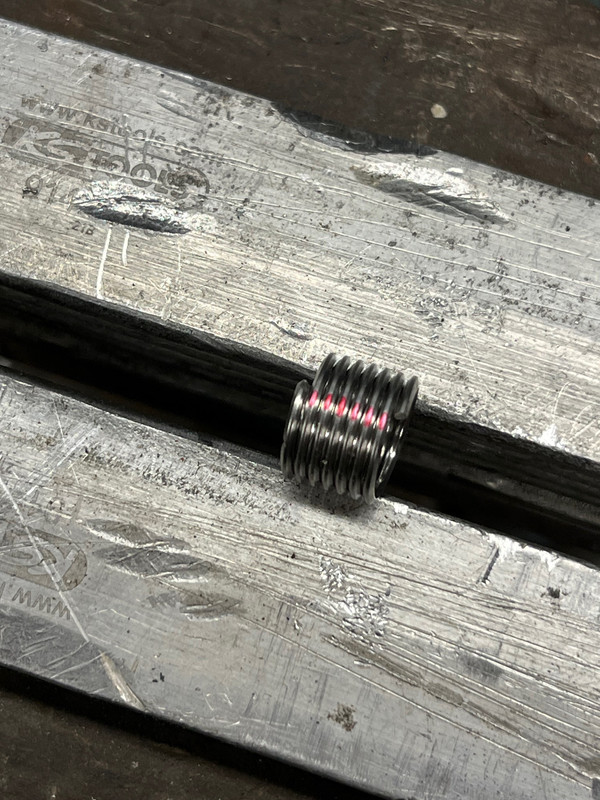
BUT you need to be very sure about the installed length of the Helicoils ; you would need to work out exactly what combined thickness of threadable metal you have available, and then (probably) adjust the length of your inserts pre-fitting so that they are the maximum fitted length possible, to obtain the highest strength, without either standing proud on the outside or the inside - the latter because it’s very difficult, if not impossible, to snap off an unsupported Helicoil-end.
The inserts are, in my experience, sold as multiples of the diameter, as in 1.0 ; 1.50 ; 2.00 etc
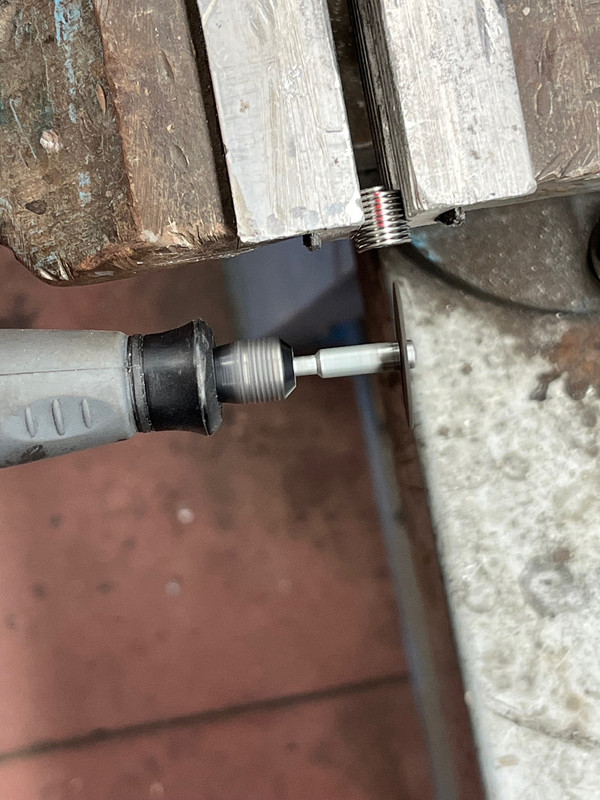
Shortening them should never be attempted with side-cutters, which deform horribly both the pitch and the wire end’s section.
It should be done with a Dremel slitting disc, thin as possible to keep all the efforts delicate, approaching axially, with the spires held apart with a small screwdriver in the area the cut is to finish, so there is no collateral damage.
It sounds worse than it is, in practice.
The most critical aspect, and the one that determines the success, and the strength, of this repair, is in fact the accuracy of your drilling and your tapping.
You ought to have a bit of minimum 1/2” steel plate that has been bored square at both the OD of the drill with which you will boring out the old threads, and the OD of the Helicoil tap that you will follow it up with, and devise a means of clamping it hard and flat on the bulkhead so that your drilling and tapping are square.
This is essentially the same principle that we, professionally, used to apply to stripped case and cylinder head threads where it was impossible (commercially) to get the offending component onto a drill press or a milling machine, and it will work just fine with a bit of care.
Practice off the car first