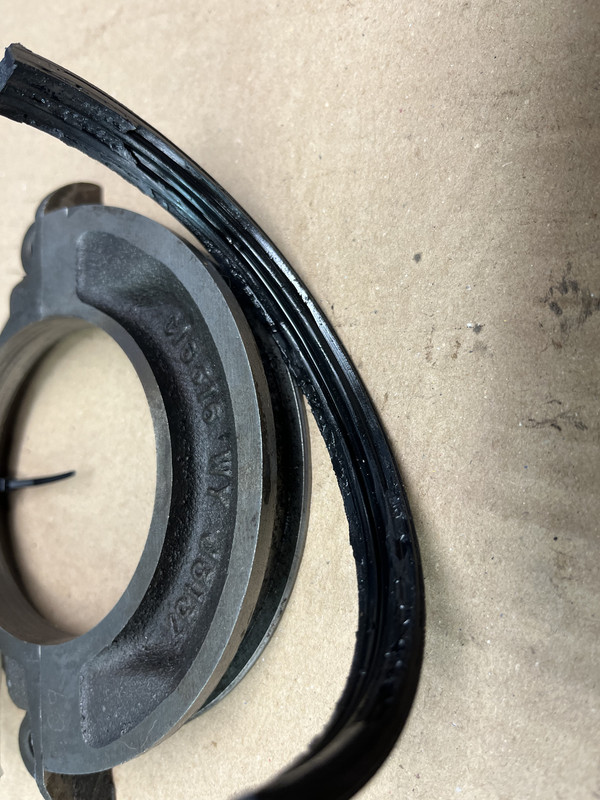
I have read just about everything I can find on the Forum about this, but didn't find anything about doing it specifically for the rear sump seal.
First, the context.
I have been squirming with embarrassment since I totally rebuilt my car (2018-2024), as having made something of a personal crusade around the snake-oil rear-crank-seal merchants, and supposing that I had got to the bottom of it ...........
viewtopic.php?f=3&t=16408&p=134682&hili ... al#p134682
.......... I then discovered that I had a - er - leak from the back of the engine

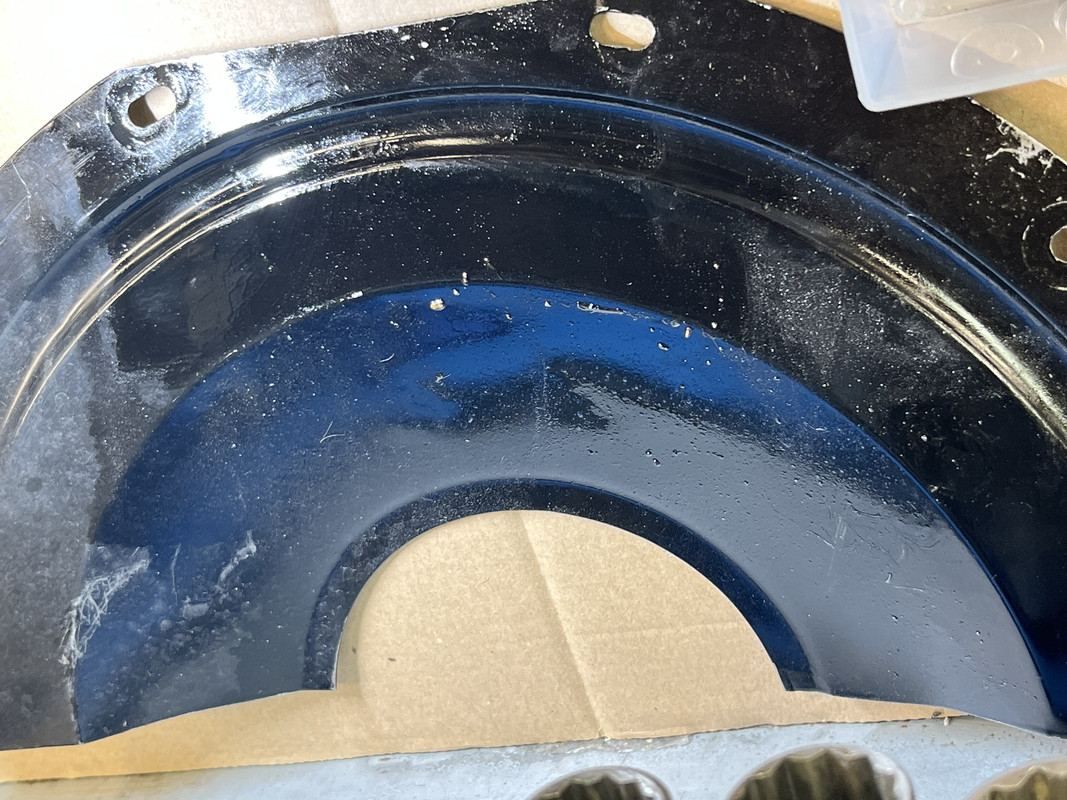
If you didn't see that post, this picture should whet your appetite for the "thesis" :
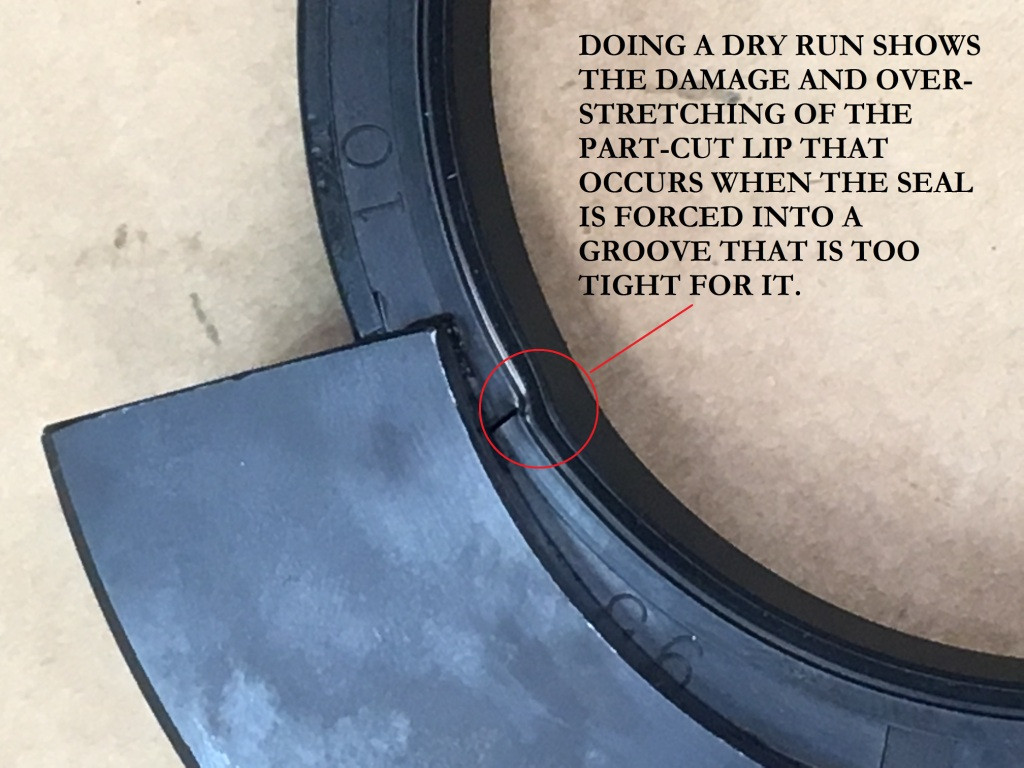
HOWEVER, the problem I now have is, I think, from the seal between the sump and the rear seal carrier.
Here's why.
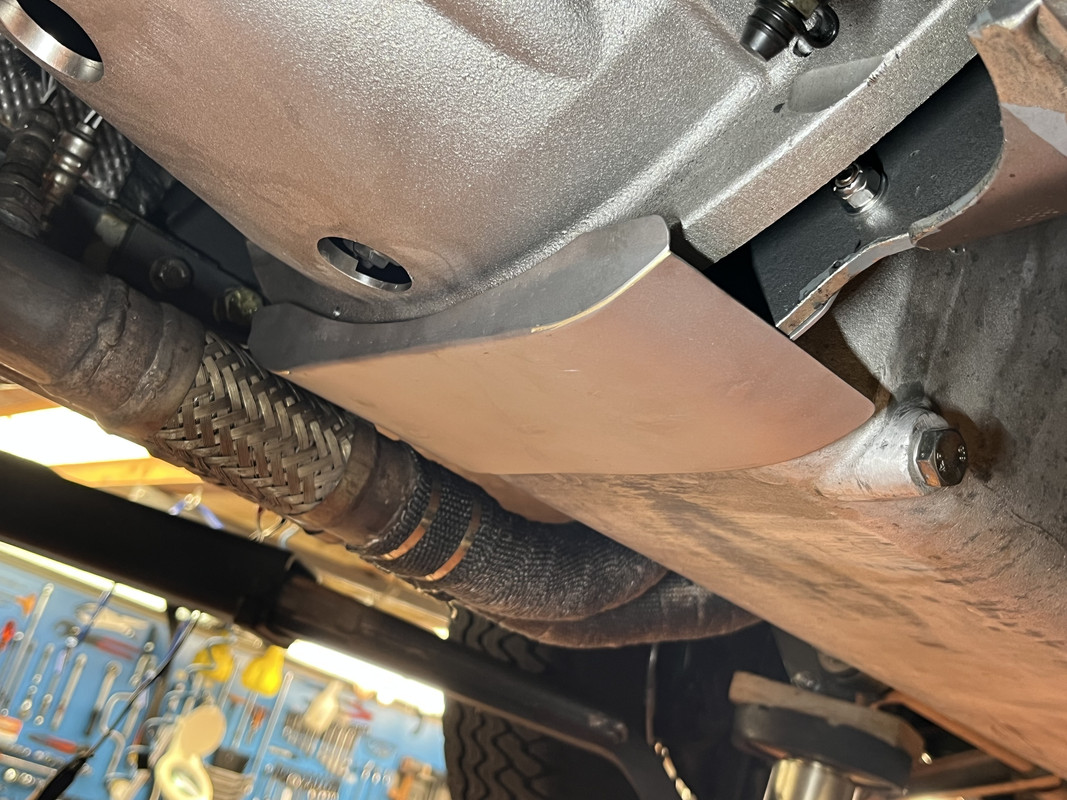
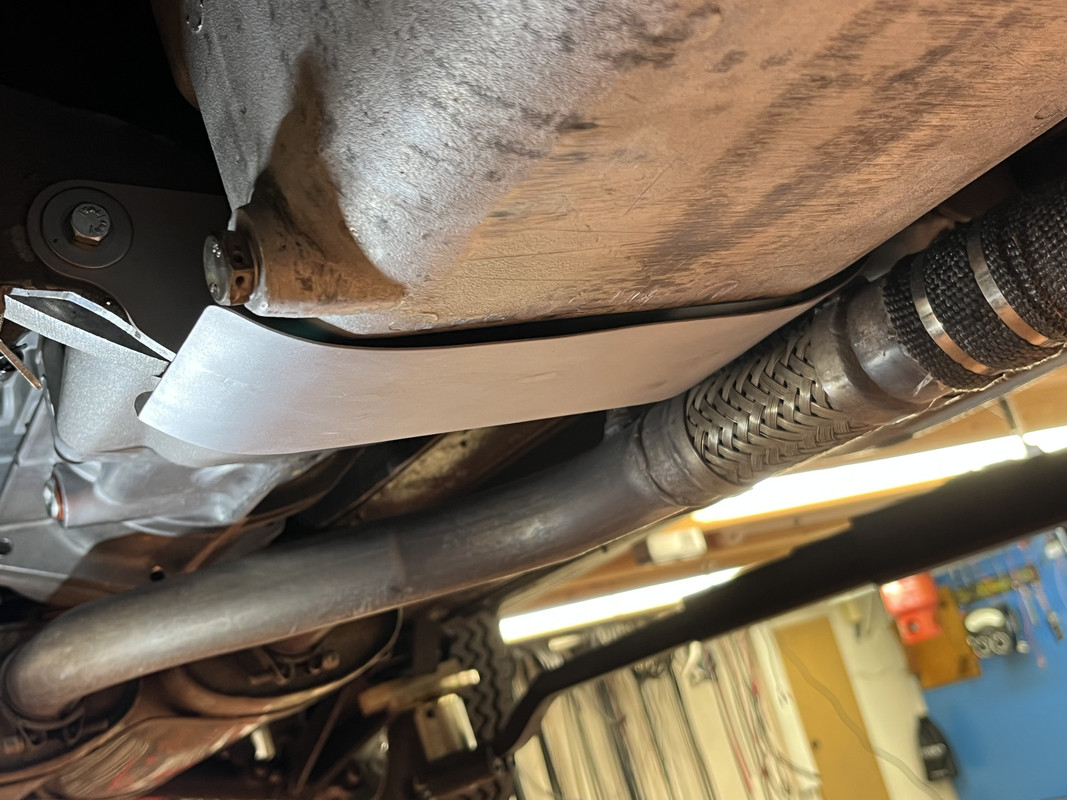
First of all, in order to be able to use the car I fitted a "period accessory" from the mid sixties that enables one to hide a couple of sponges from any casual glances in the locker-room, and found that I had an autonomy of about 1.000 kms before any drip became visible.
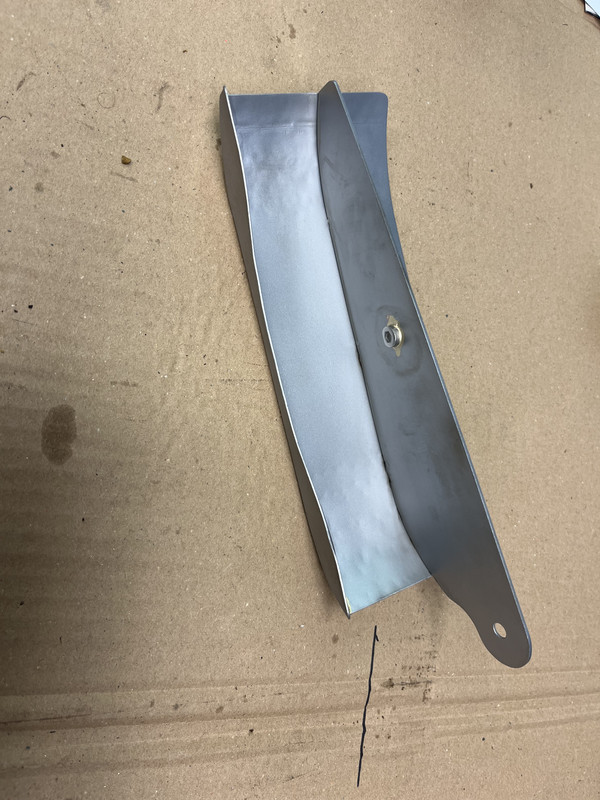
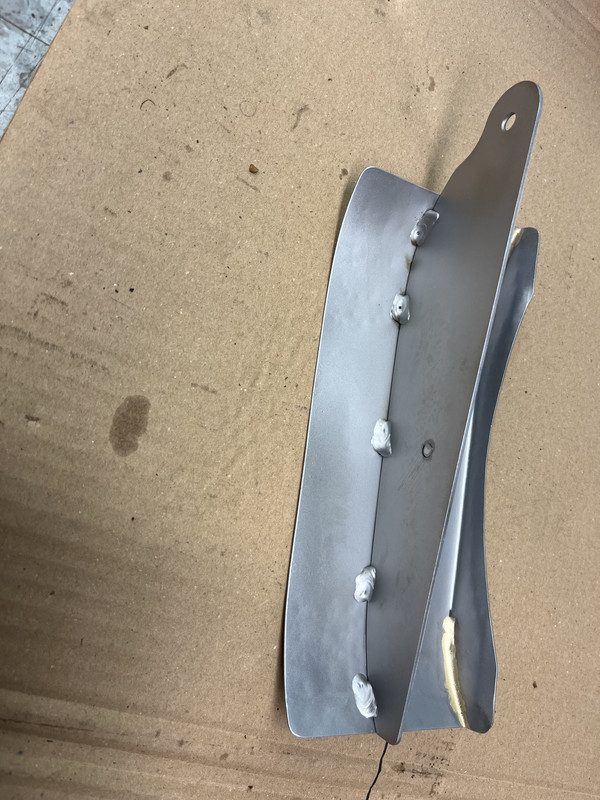
This was to give me time to lick my wounds and pretend everything was okay.
After eliminating everything else - cam-feeds leaking, main oil-gallery plug loose, weeps from the tacho-drive, cam-cover weeps drifting backwards and then south, it became apparent that the leak was not so much mileage-dependant as time-dependant.
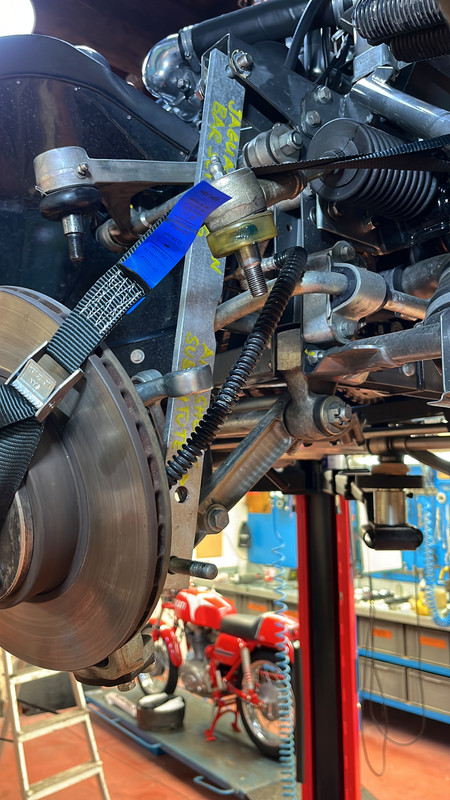
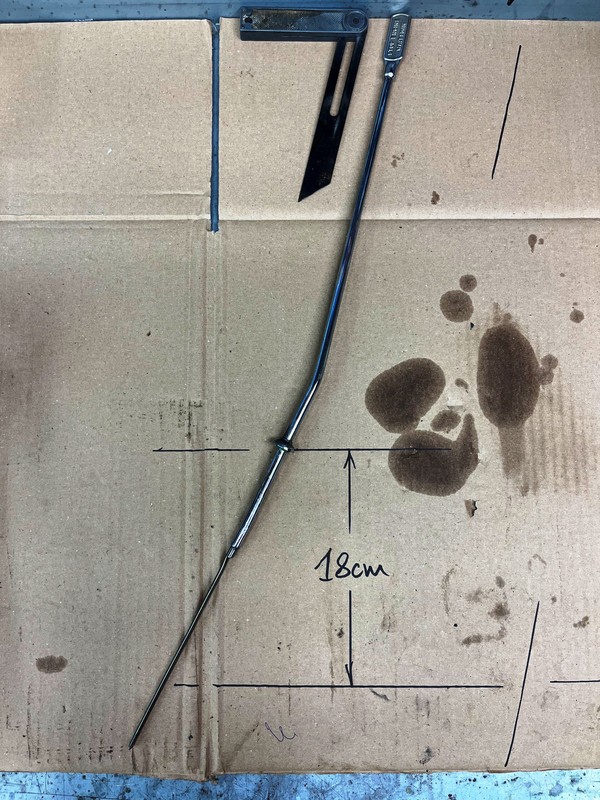
Incidentally, and someone did mention having had a problem here in another post, that gallery plug can leak, and here's the tool that makes it possible to tighten without removing the engine.
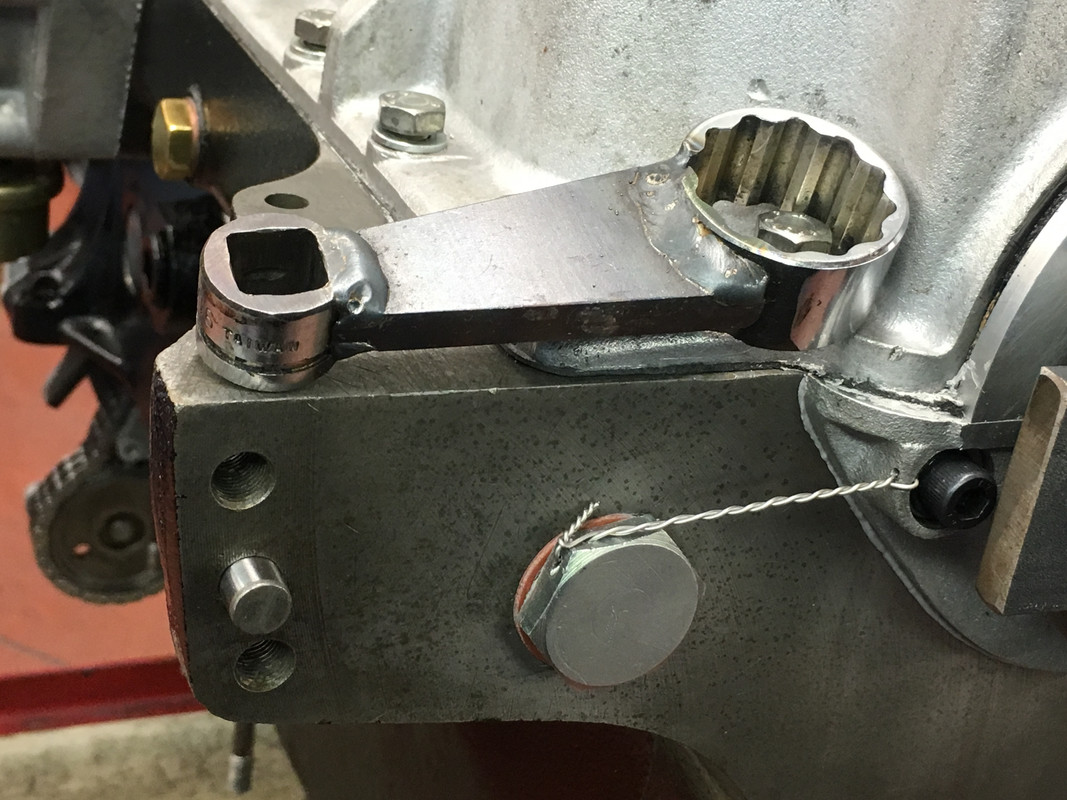
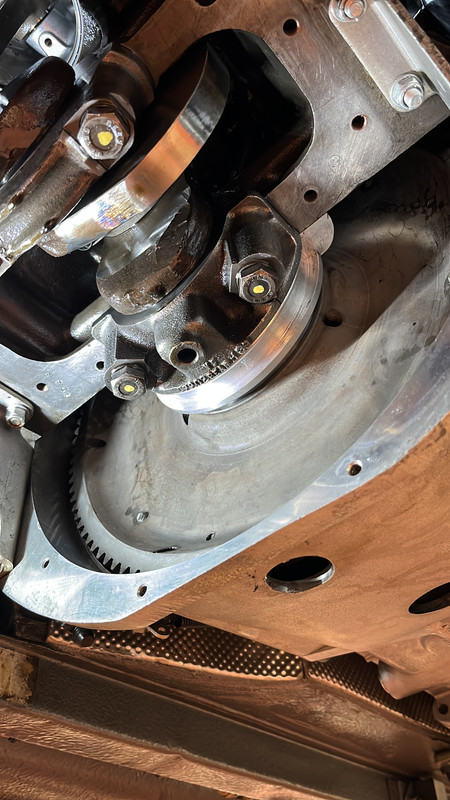
The flywheel is oil-free to the point of even having traces of rust, which - legend has it - precludes it being the actual crank seal, although I was suspicious that if the pressed-steel cover was a really close fit to the crank - as I believe mine is - then it might just cream off any leaks and divert them away from being centrifuged by the flywheel.
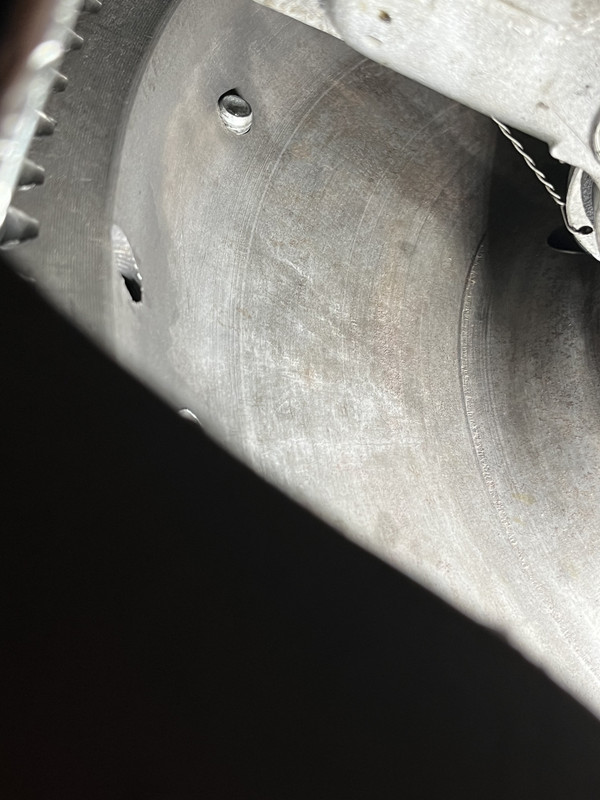
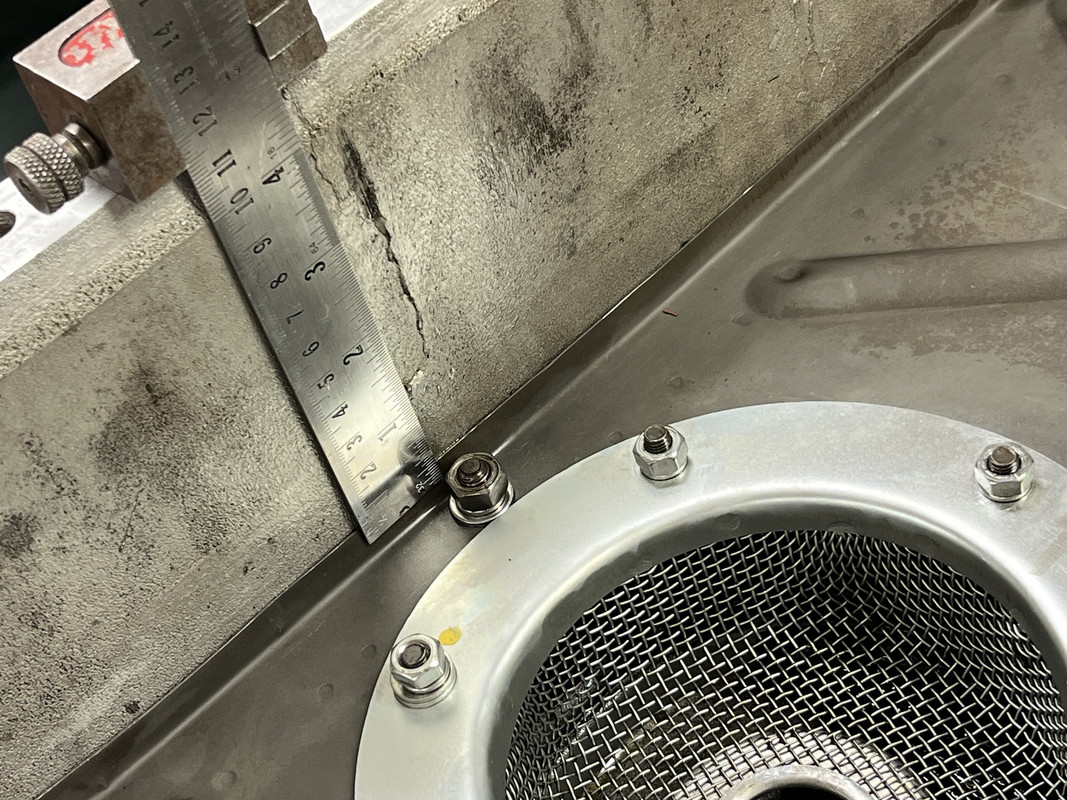
Scrupulous cleaning of the whole area with brake-cleaner showed that after 24h with no engine use there was already an incipient drip :
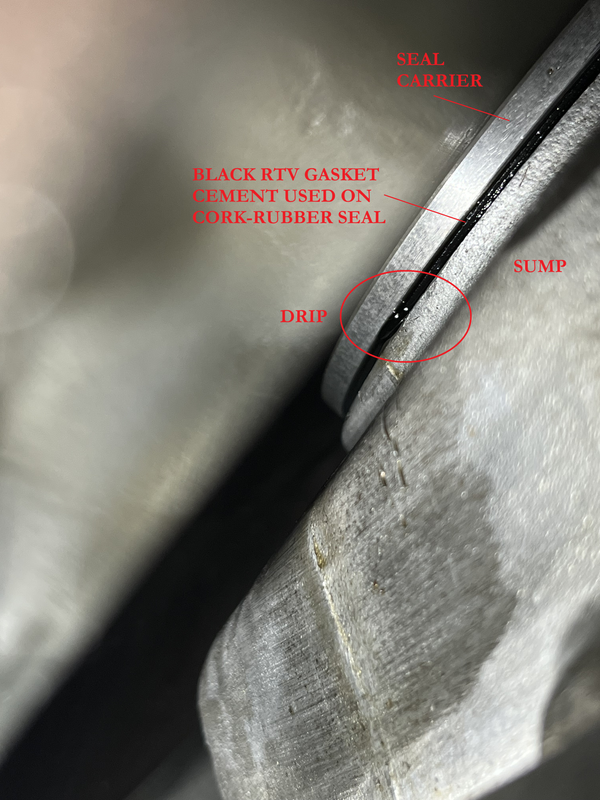
right at bottom of the visible sump-to-carrier seal, which very definitely originated there rather than being from the crank-seal per se, as a cotton-wool bud wiper on that specific small zone drew a blank.
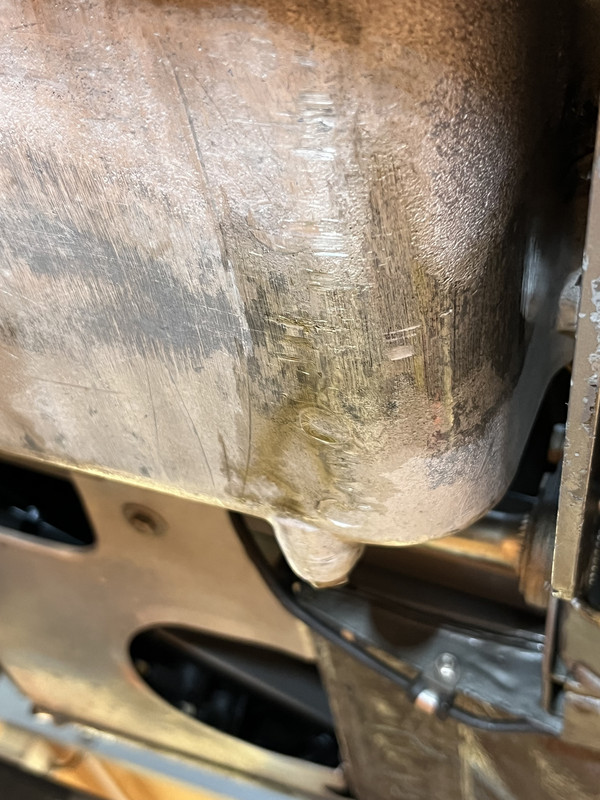
48h had the weep accumulating under the back of the sump :
and then 72h saw the first drip on the floor.
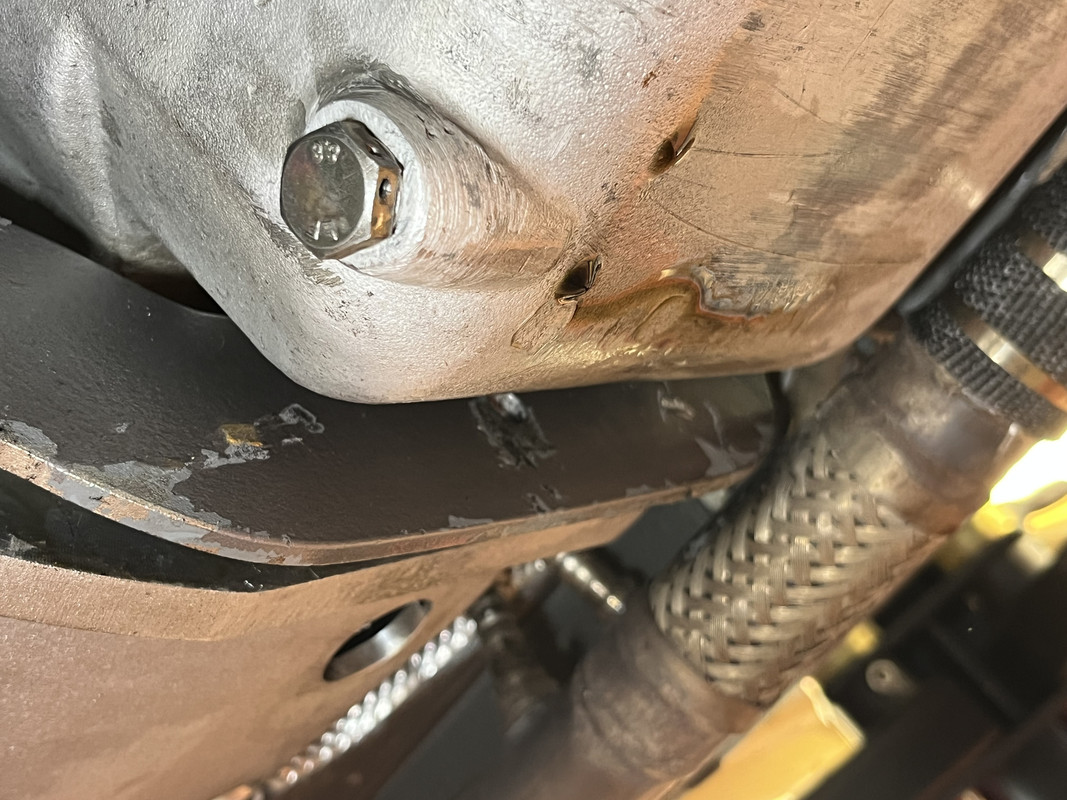
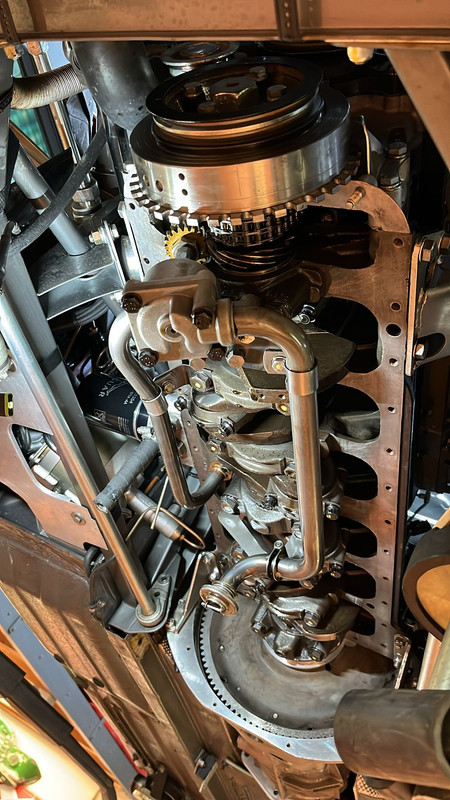
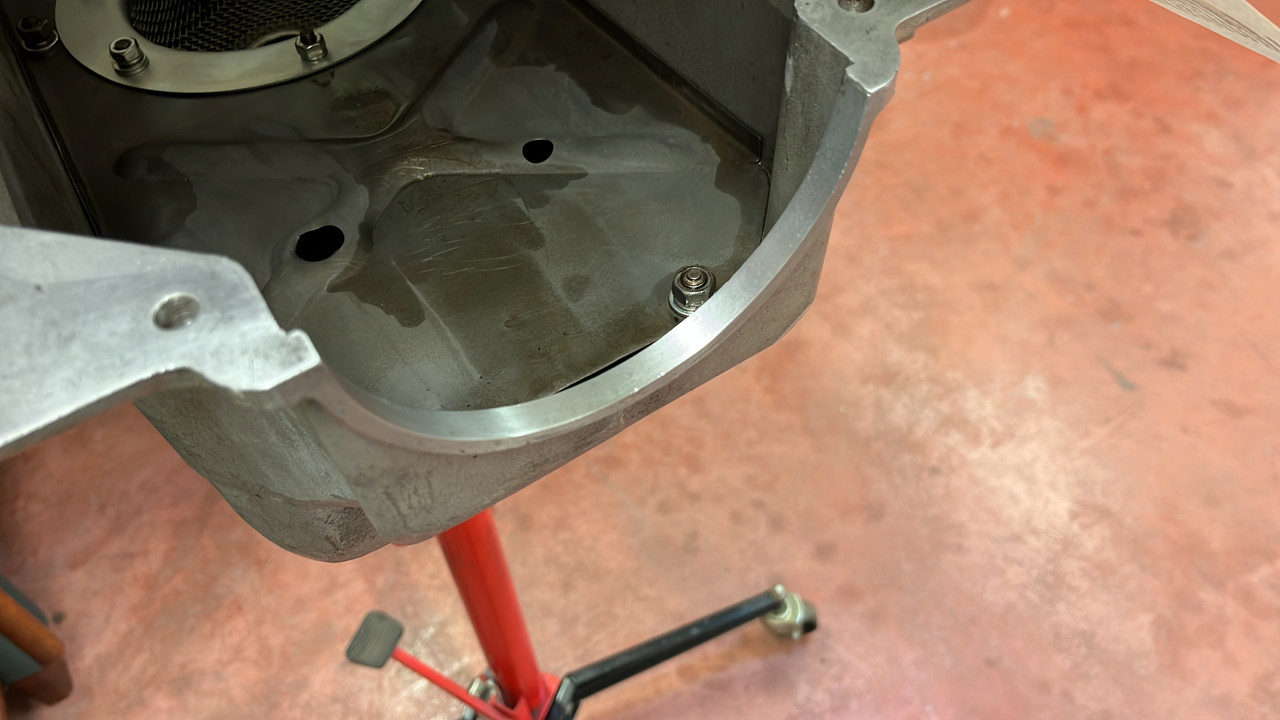
Pictures below are from during the 2020 engine assembly.
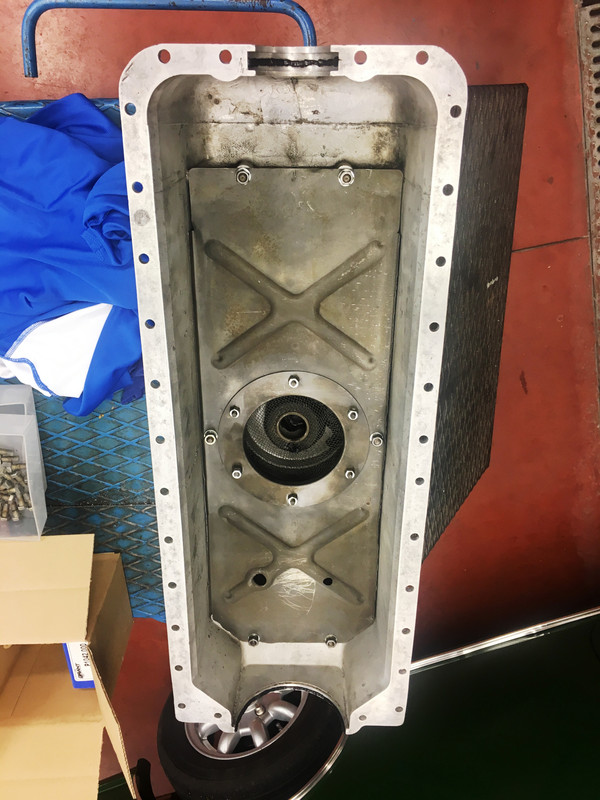
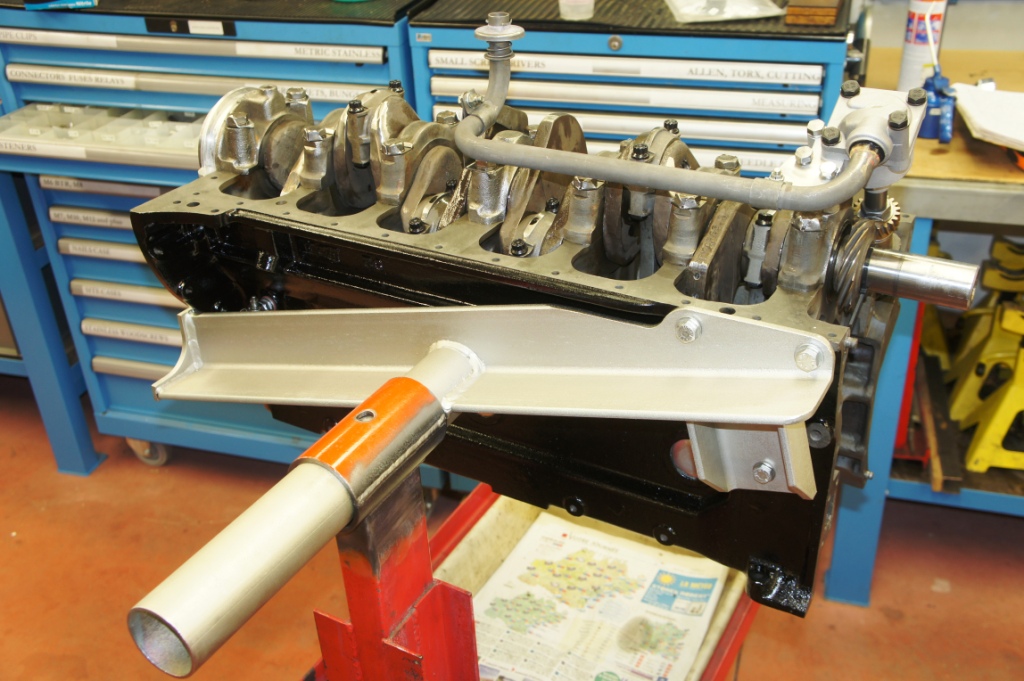
Now I assembled this engine in absolutely perfect, accessible, clinically lit conditions ; and the sump-to-seal-carrier procedure is hardly a complicated operation.
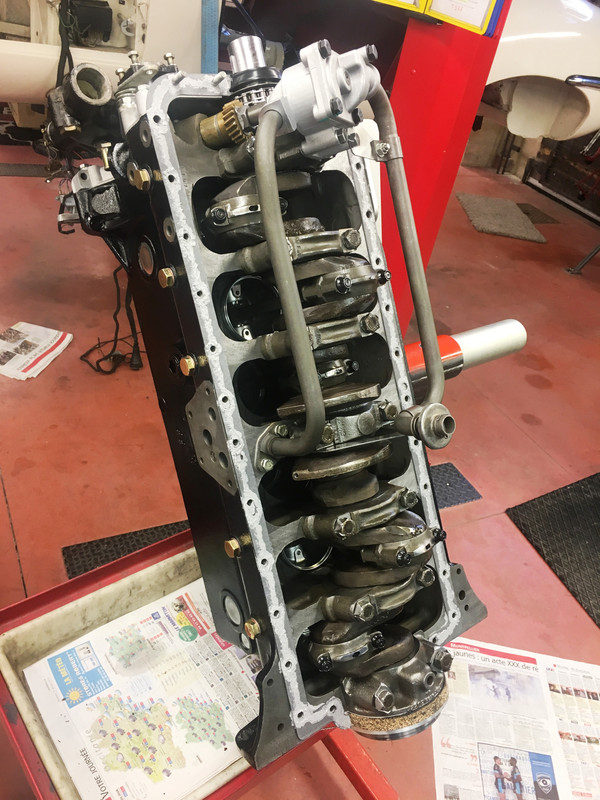
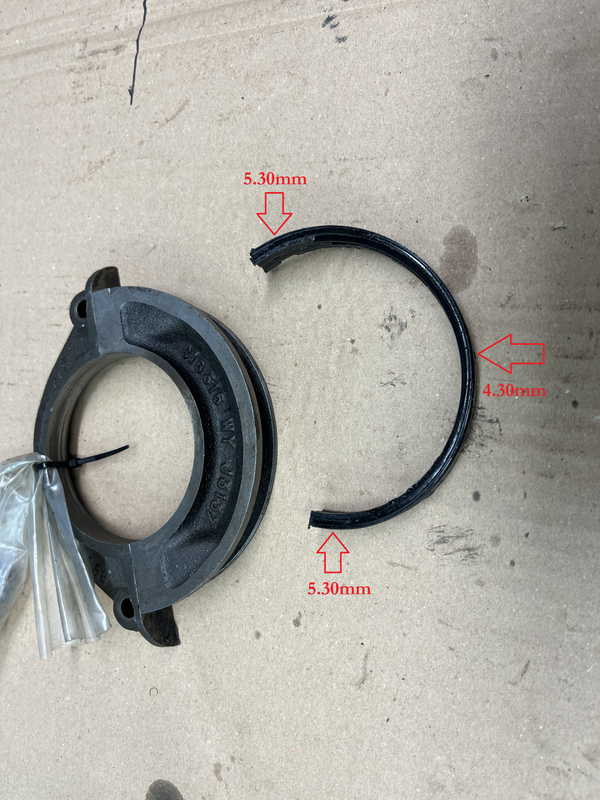
However, I can see from the above picture, taken during the rebuild, that I used a "modern" rubber-cork rear seal, as this is what was supplied by SNGB ; this was before I moved to sourcing everything from Rob Beere, from whom I will now no longer deviate.
(Update - see further on, in fact that picture was from the Phase One build, which I later ripped apart again, before finishing the engine, and I did in fact complete Phase Two with the more modern "correct" Jaguar black rubber/plastic seal, and with Cometic side-gaskets rather than standard gaskets with grey RTV.)
I'm nervous about having another go at this, with the engine in-situ, as if I cocked it up "in the lab" then what chance have I got with it up on the car-lift, with my arms in the air ?
I think my main questions are ;
1. are those rubber-cork rear seals known to be crap ? Even when fitted with a gasket compound ?
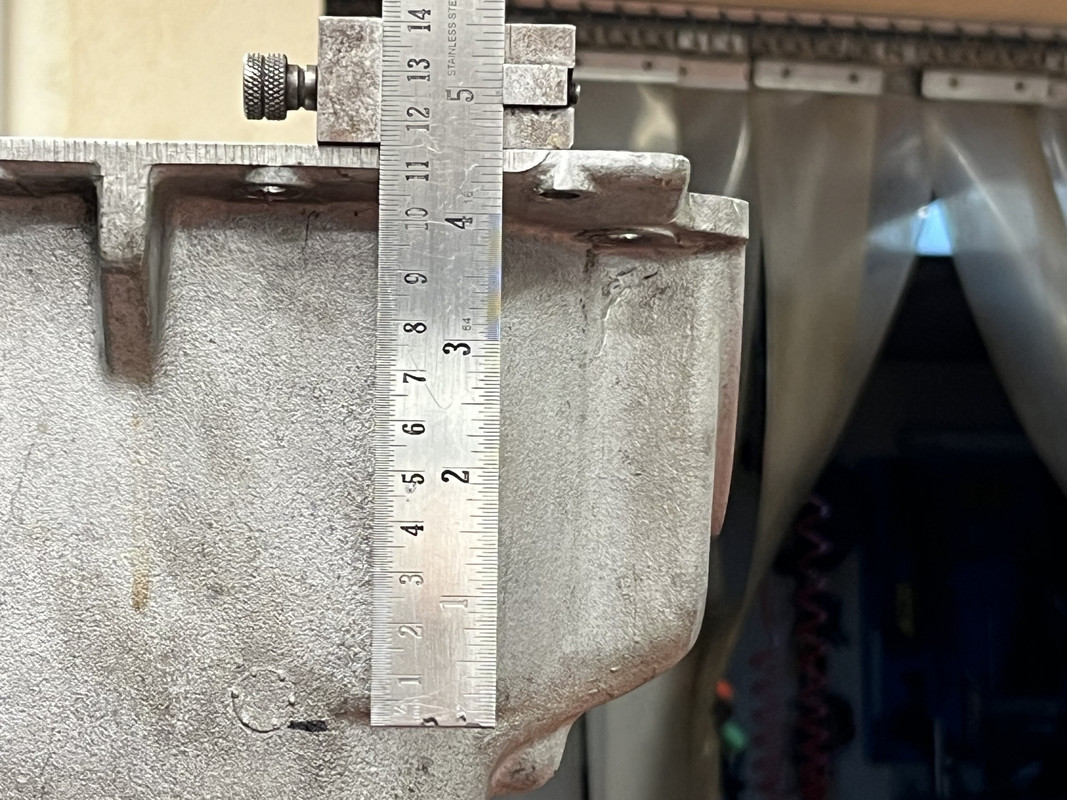
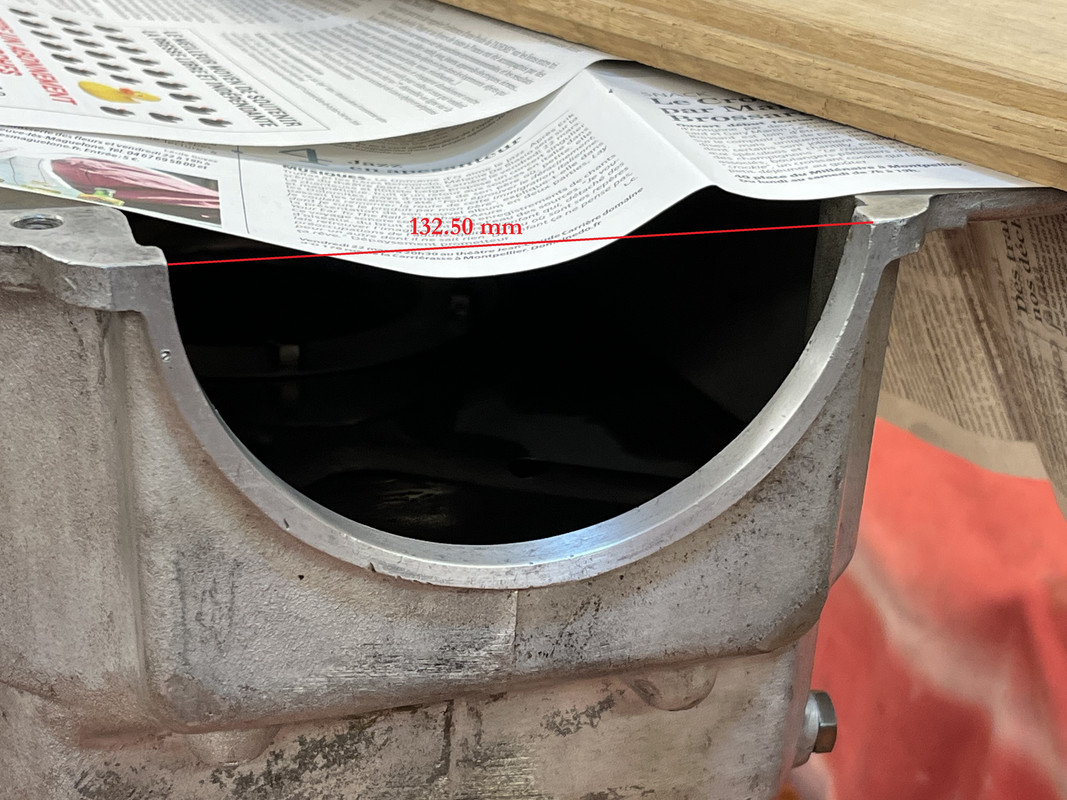
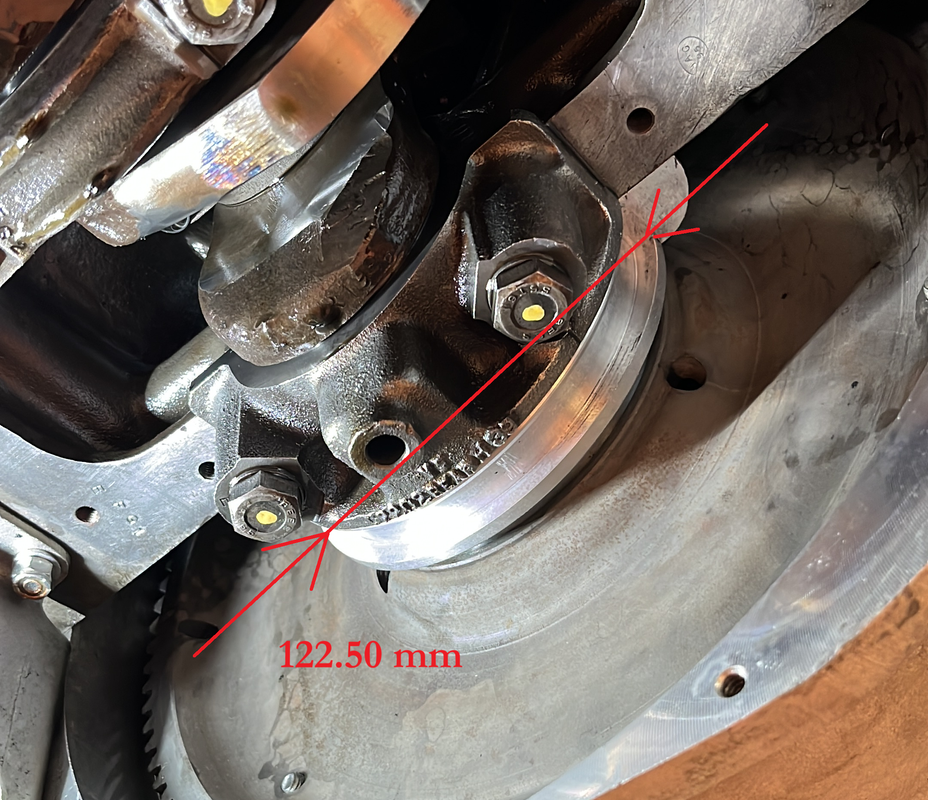
2. with the crank in the right position (which is ?) will the sump come off without having to remove the reaction plate (which means the exhausts) ?
3. is that easier than trying to lift the engine to get more room ?
4. does the crank damper assembly have to come off - I otherwise wasn't going to touch the front oil seal, which is fine.
No postcards please, just concise electronic answers, and with a bit of luck Australia will chime in overnight, always a pleasure to read over breakfast.